عنوان غير معرف
ربى الفراونة
Address Not Found
Roba Alfaraoneh
عنوان غير معرف
ربى الفراونة
Address Not Found
Roba Alfaraoneh
Palestine
فلسطين

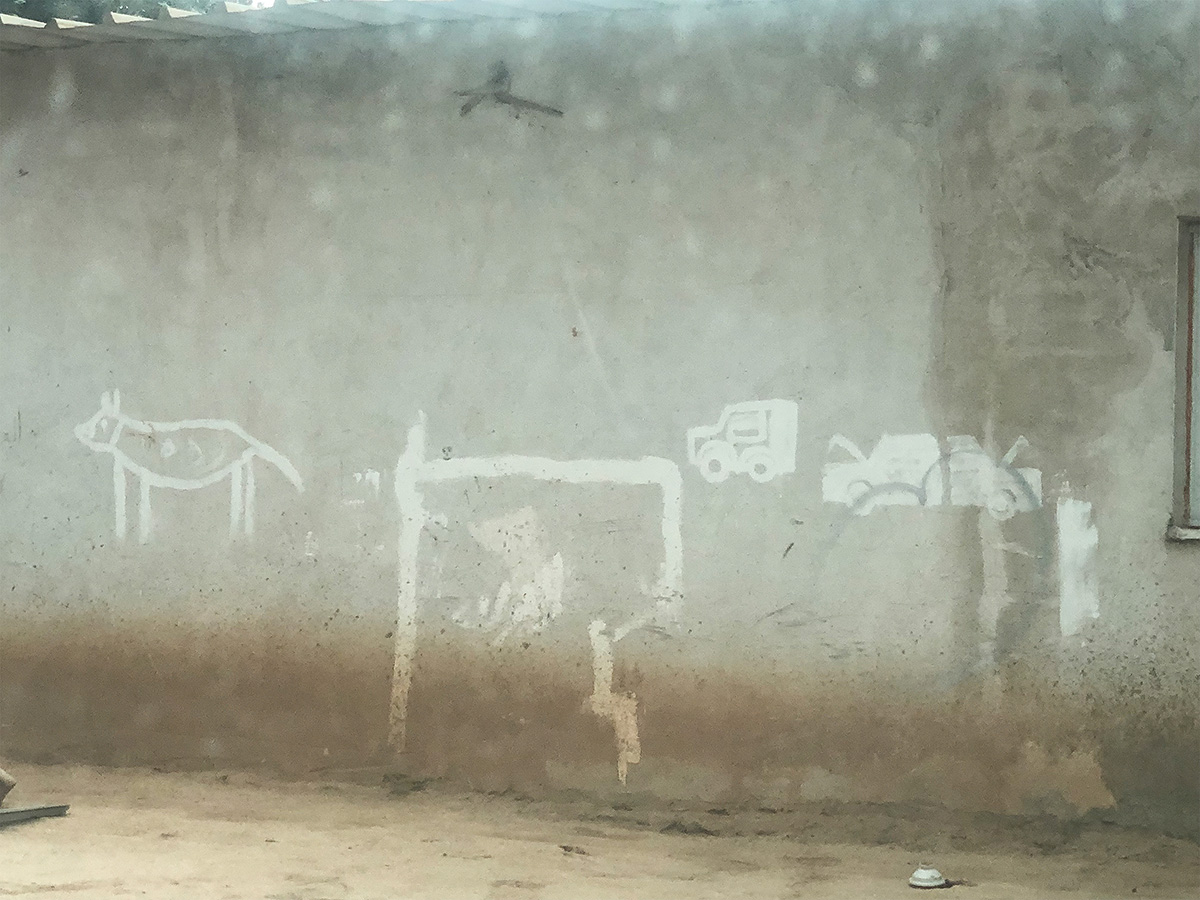
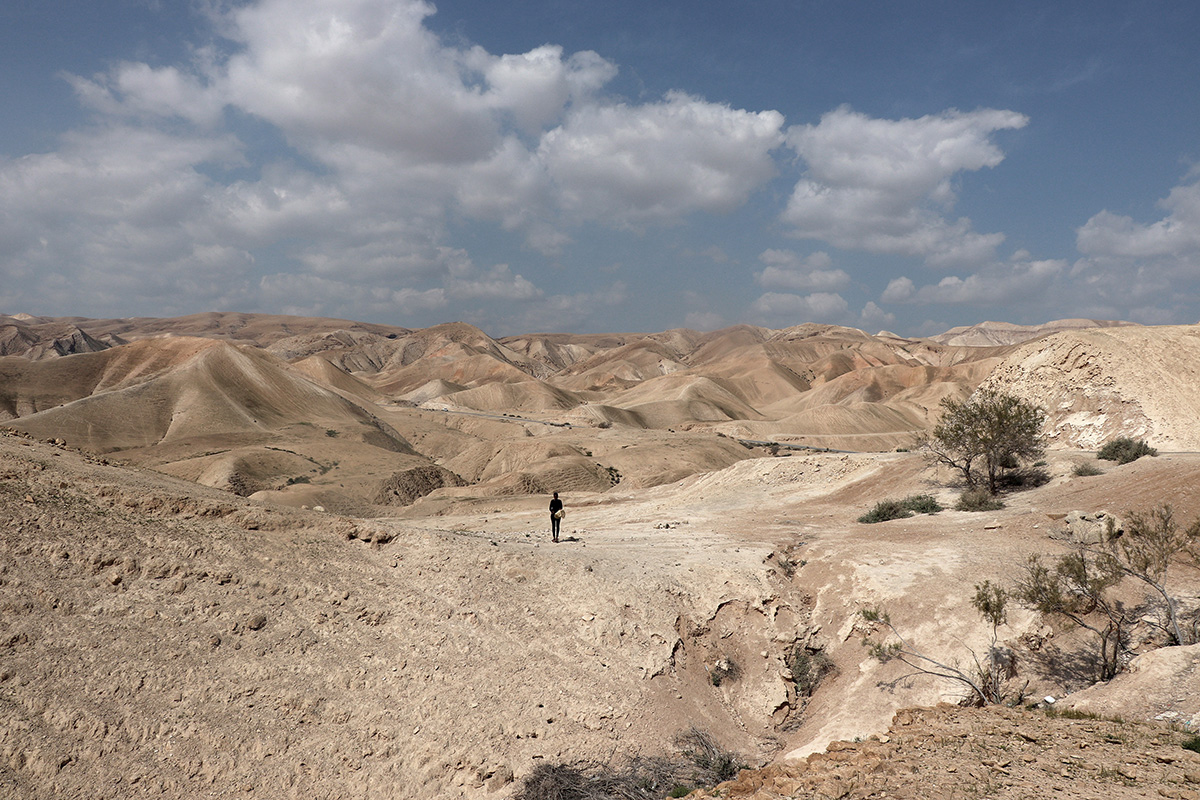
I remember the first time I felt that my name wasn’t enough. I was five years old, in kindergarten, when one of the children said the word “abda” [female slave]. I did not understand its meaning, but I understood what it did. It placed me in a lower position and gave my body a name that preceded me. Difference wasn’t meant to be discovered, but to be used. In that moment, I learned that language was not merely employed to describe; it was imposed.

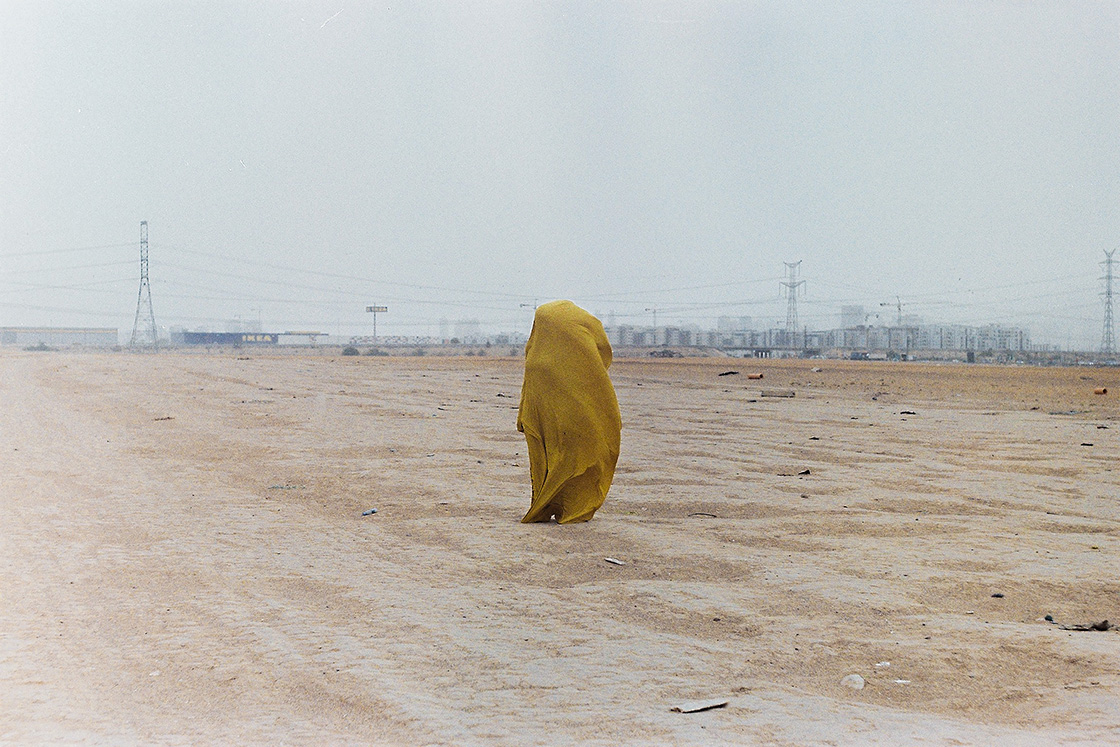
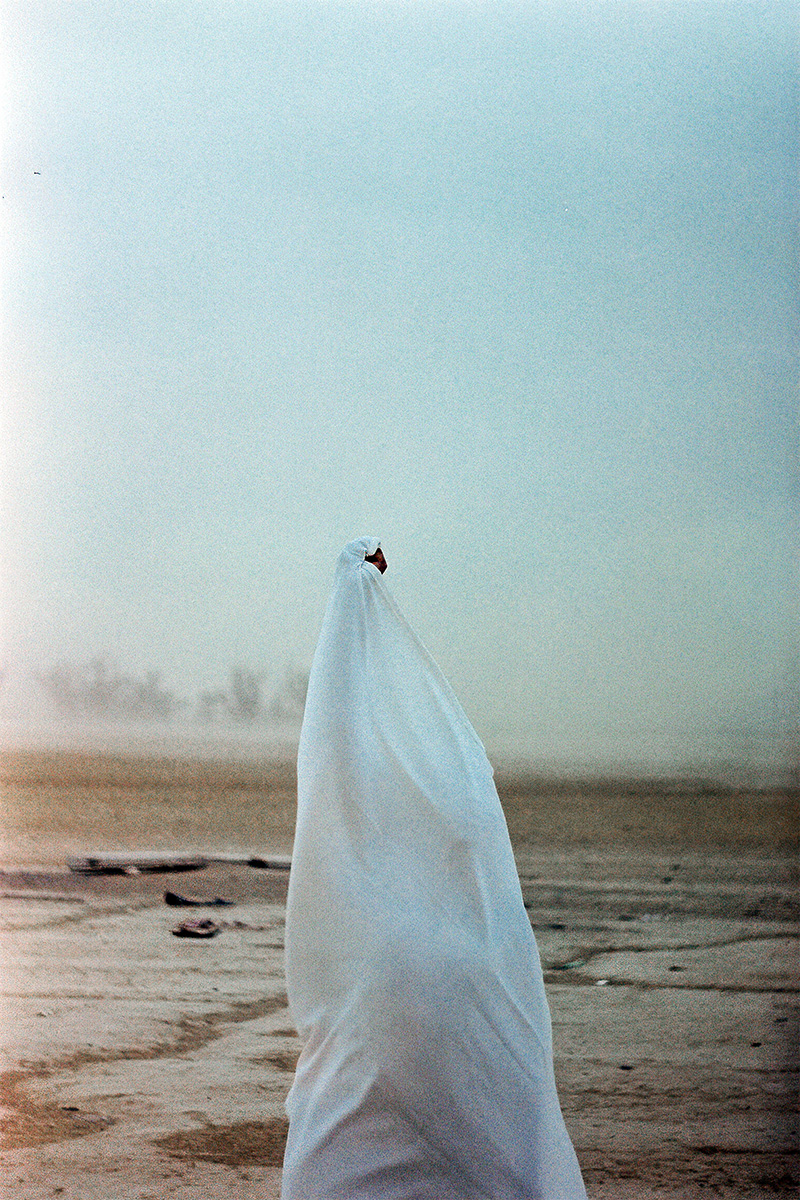
During those years, I saw a woman dressed entirely in black, walking at night. Her steps weren't heavy; she seemed to slide through space. I could neither grasp her, nor classify her. She stood beyond comprehension, and that's what made her powerful. She frightened me at first, yet she remained in my memory as a suggestion of what’s possible: an irreducible body, a presence that does not need to be explained.

School didn't offer me answers. The body wasn't presented as a space to be understood, but rather to be controlled. I was told what to hide, without explaining why. That's how I came to the realization that knowledge could be withheld, and that the body could be controlled without ever being understood.

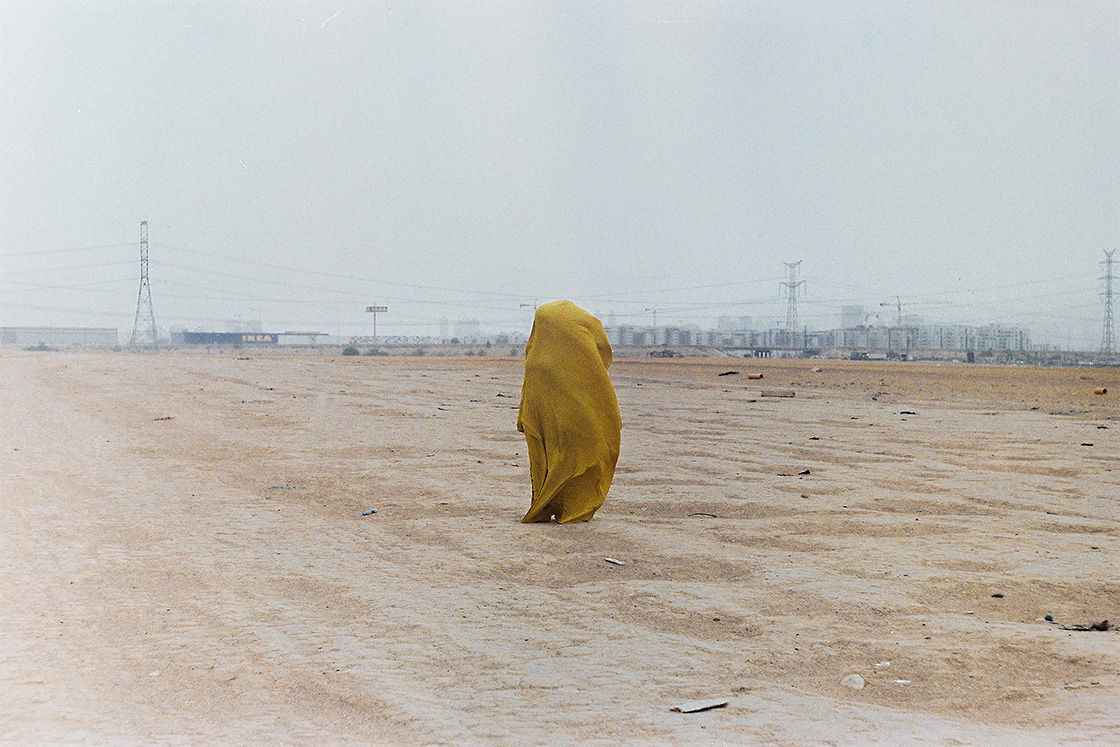
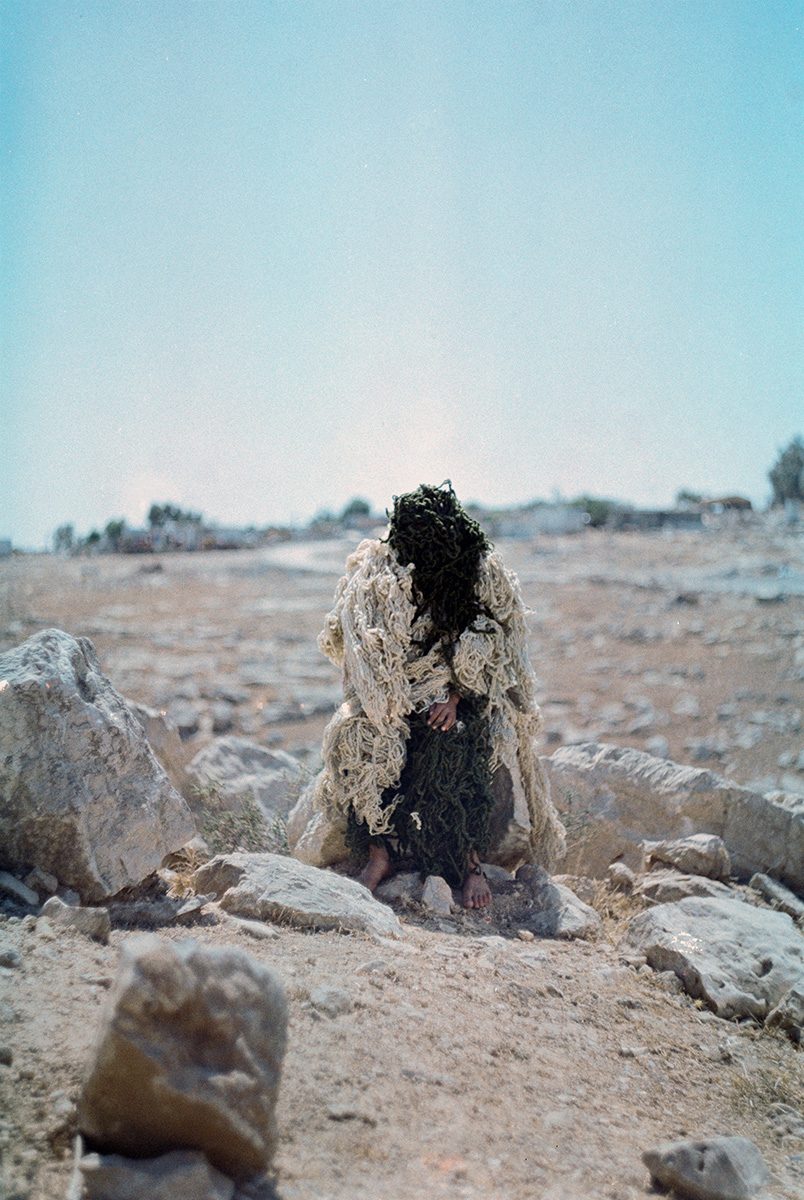
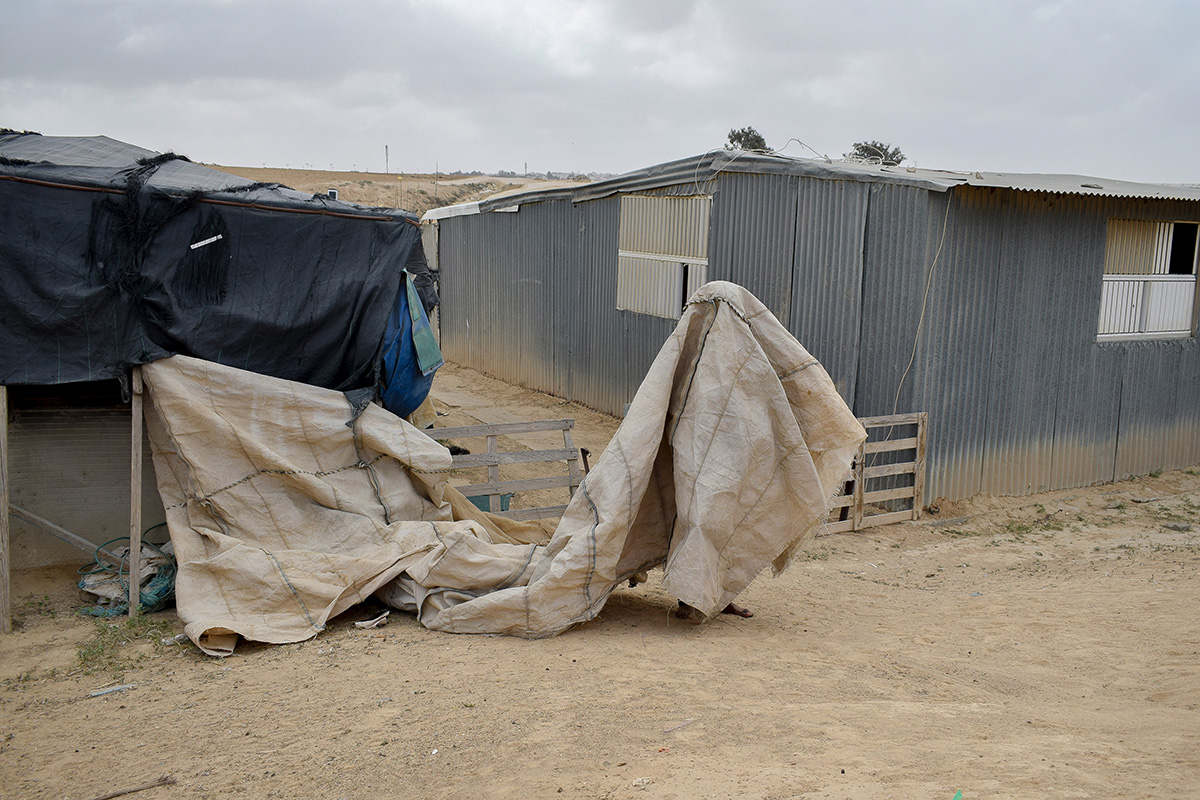
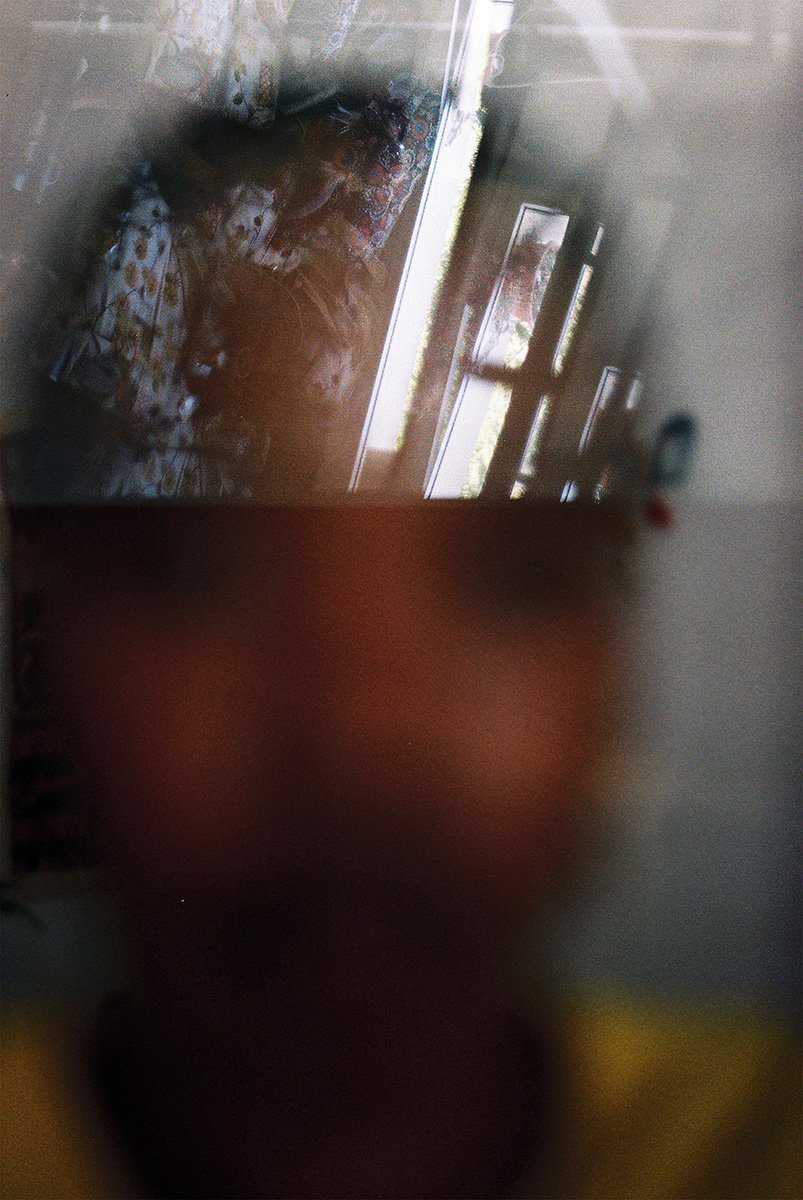
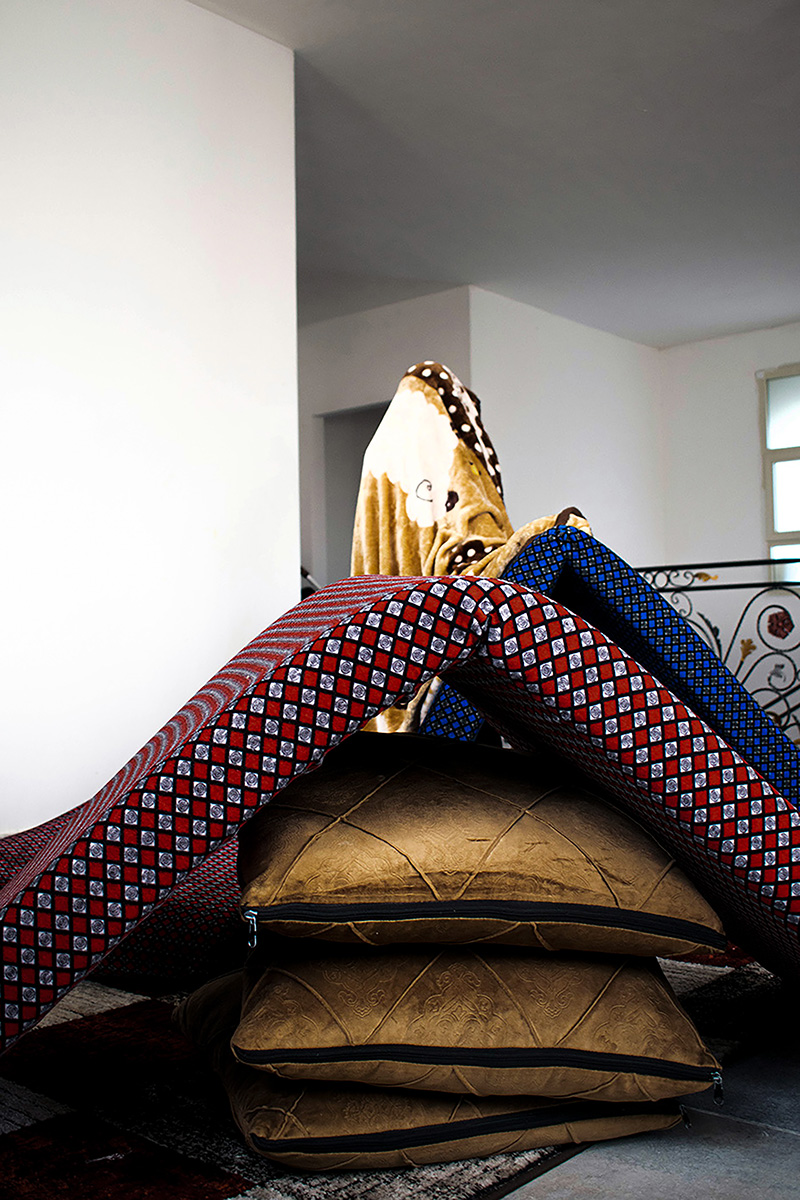
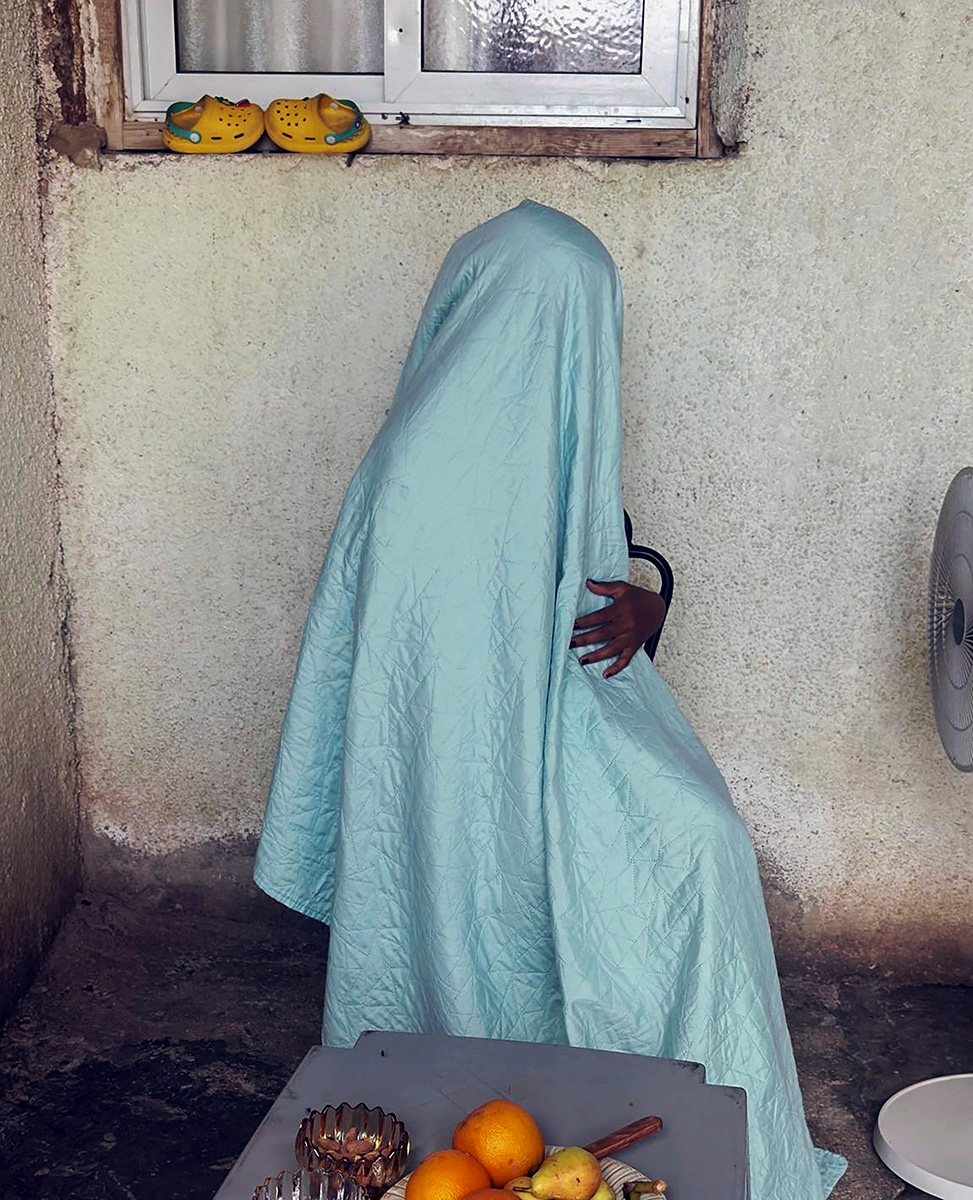
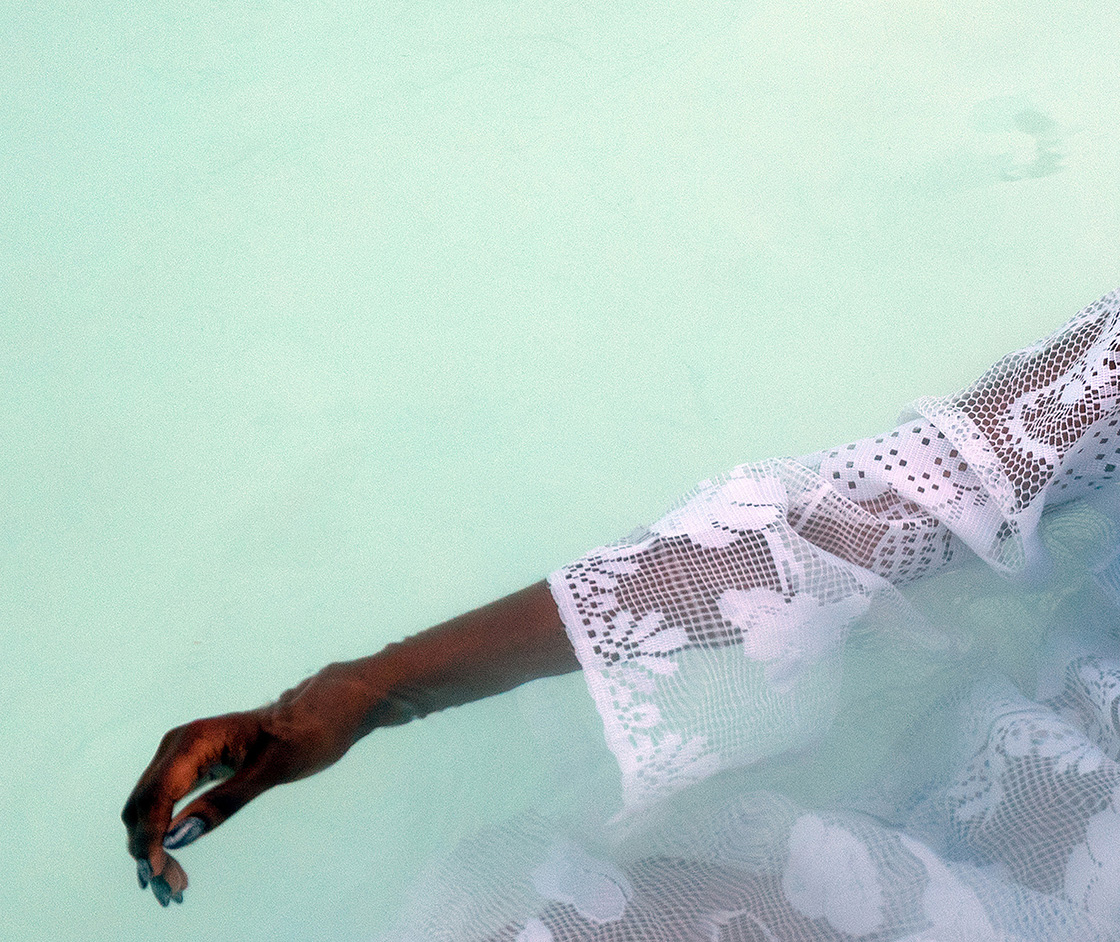
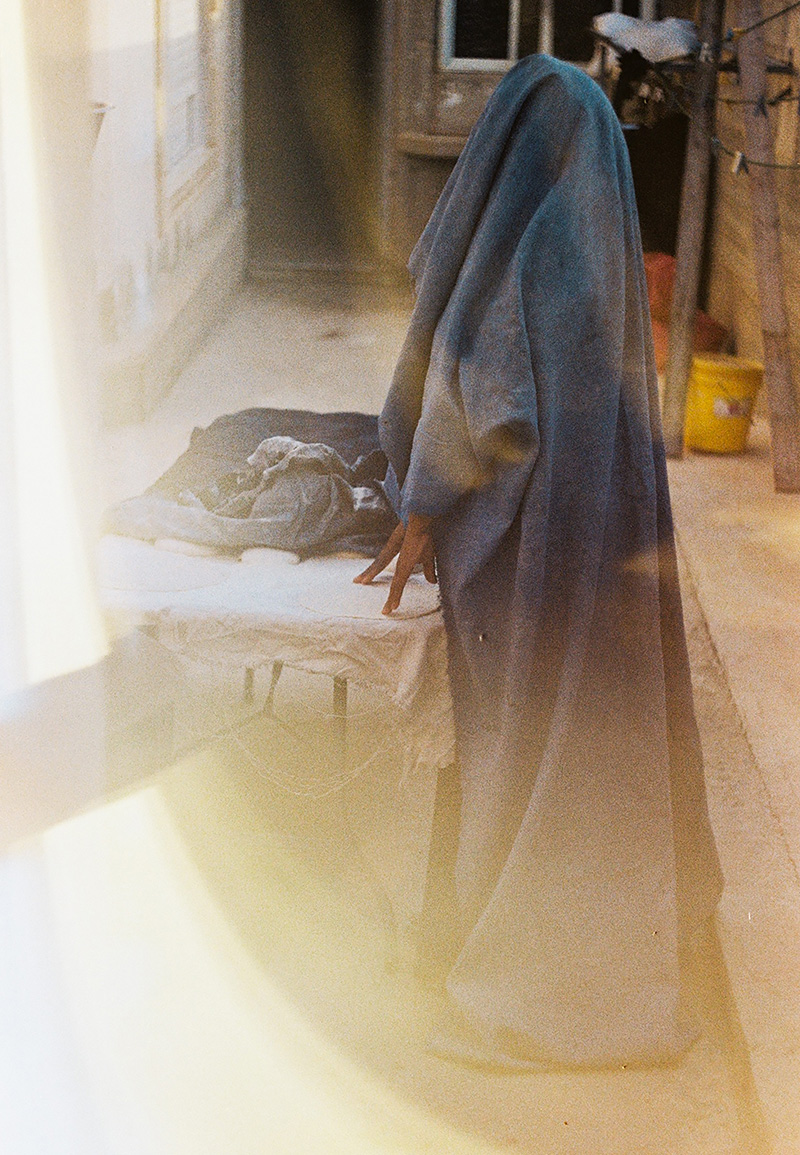
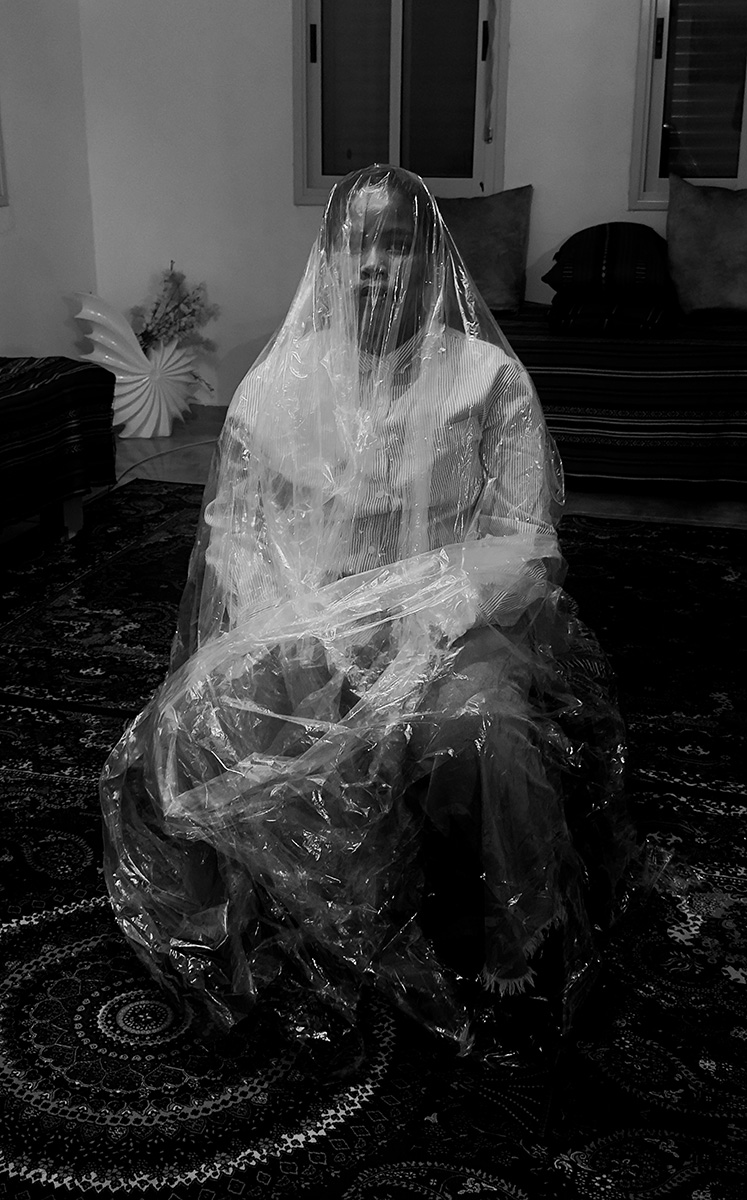
With time, I learned to deal with my own appearance. I no longer appear fully, nor do I disappear completely. I control what is seen and what remains unseen. Not out of fear, but out of a consciousness that every act of appearance exposes me to scrutiny.

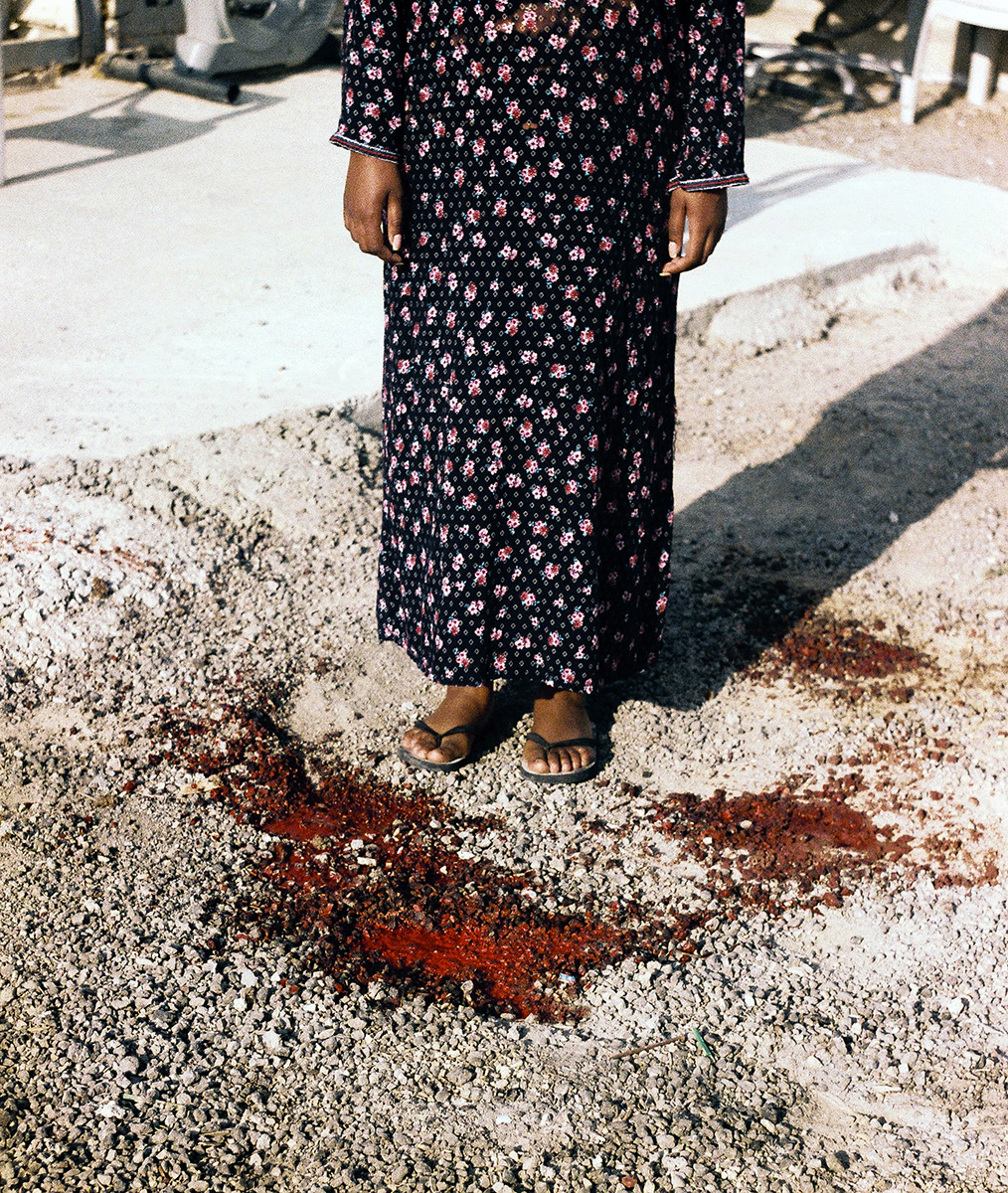
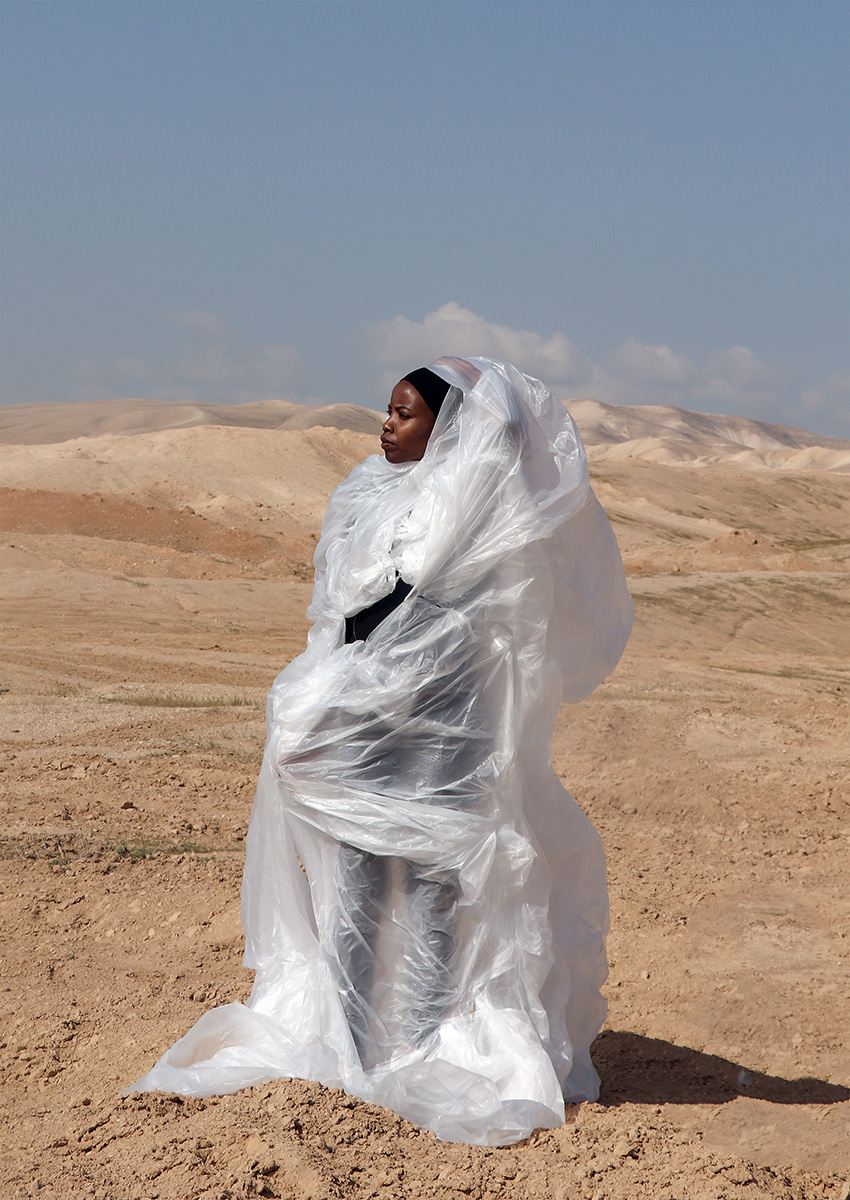
When I arrived in Jerusalem in 2018, this situation became even more acute. The question wasn't just about place, but about color as well. Gazes lingered longer than necessary, and questions were unspoken yet unmistakably present. Every encounter became an attempt at interpretation. Identity was no longer something I lived, but something I was asked to explain. My body became a subject of daily examination.

In response to this, I chose not to explain myself further, but to stop. To draw a boundary.

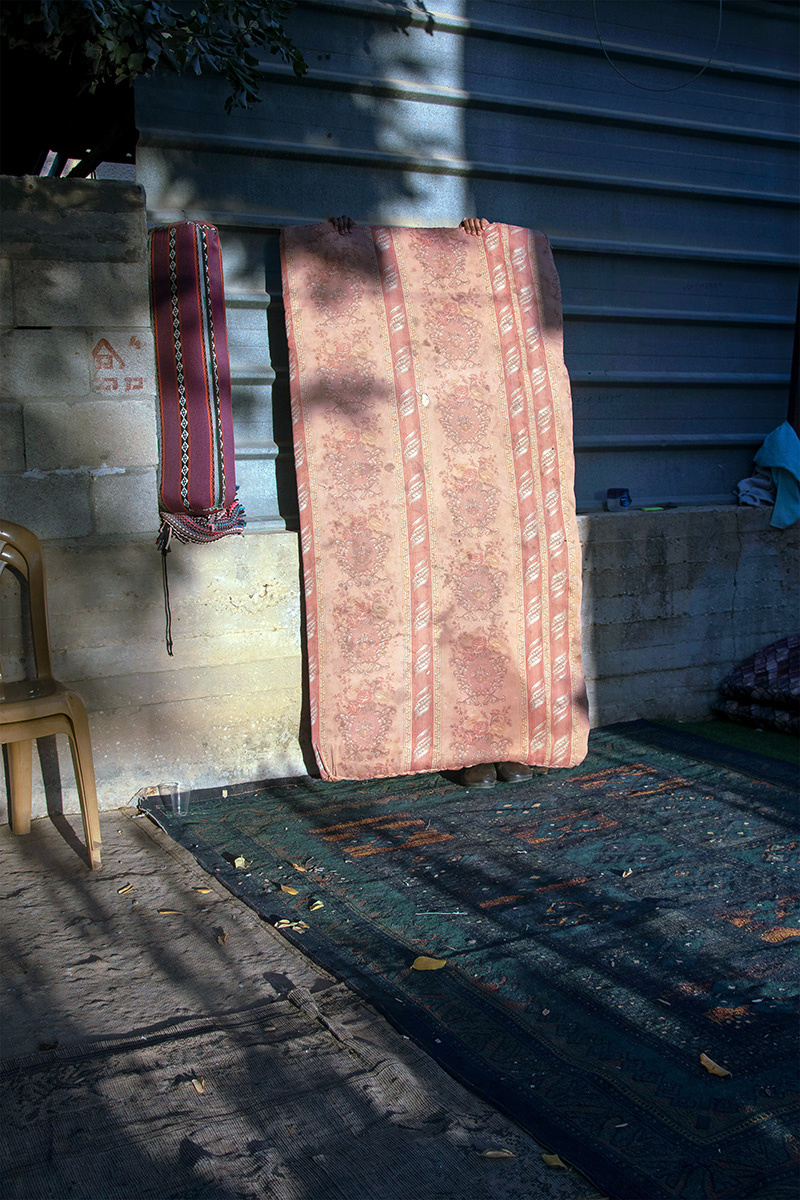
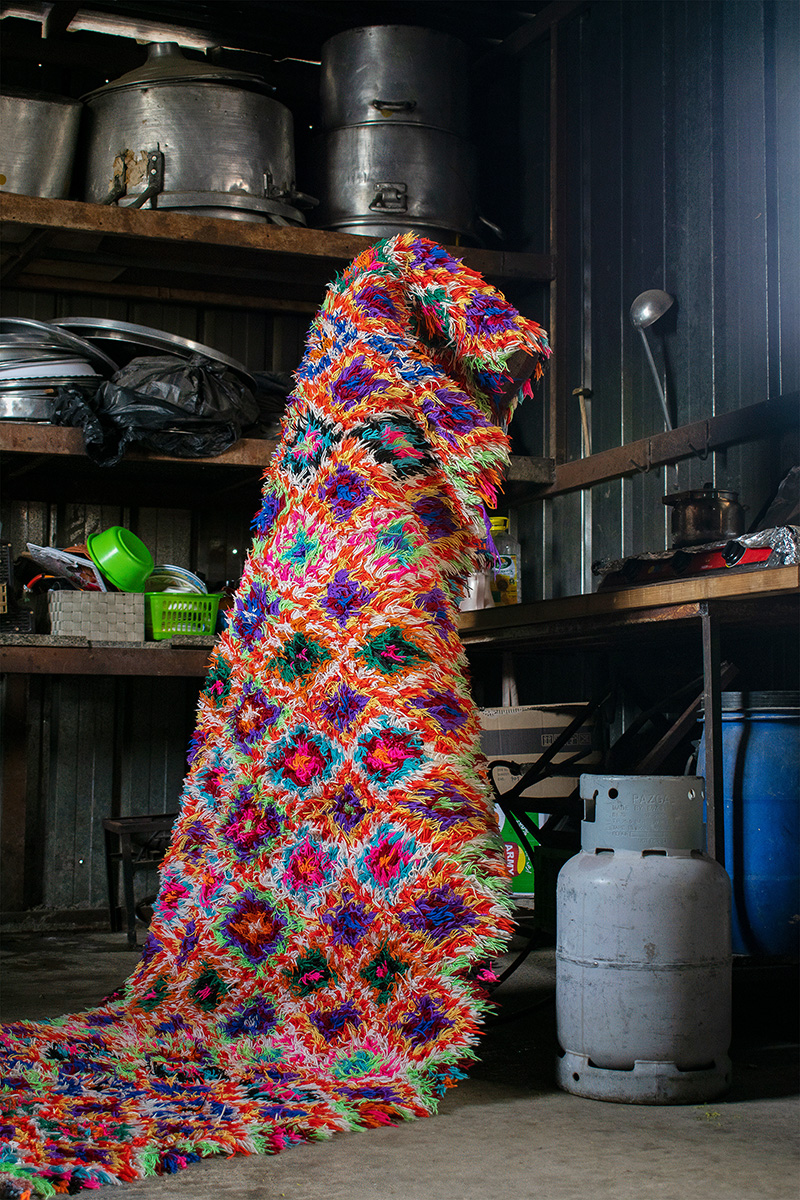
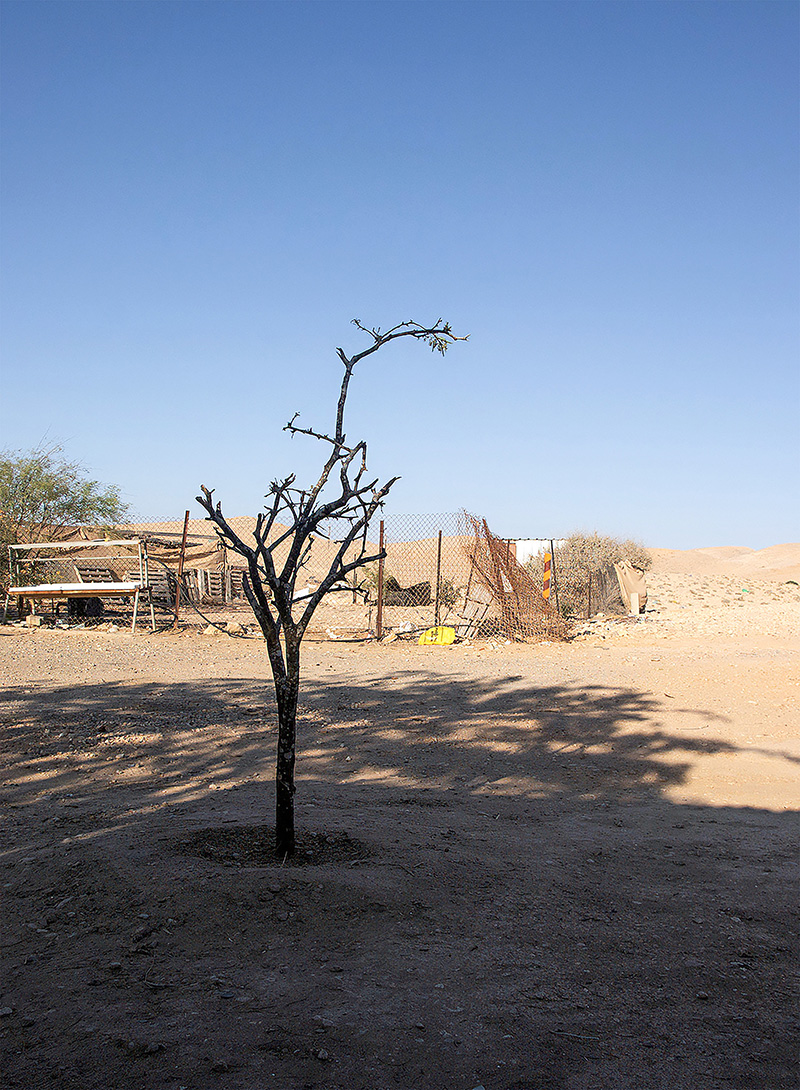
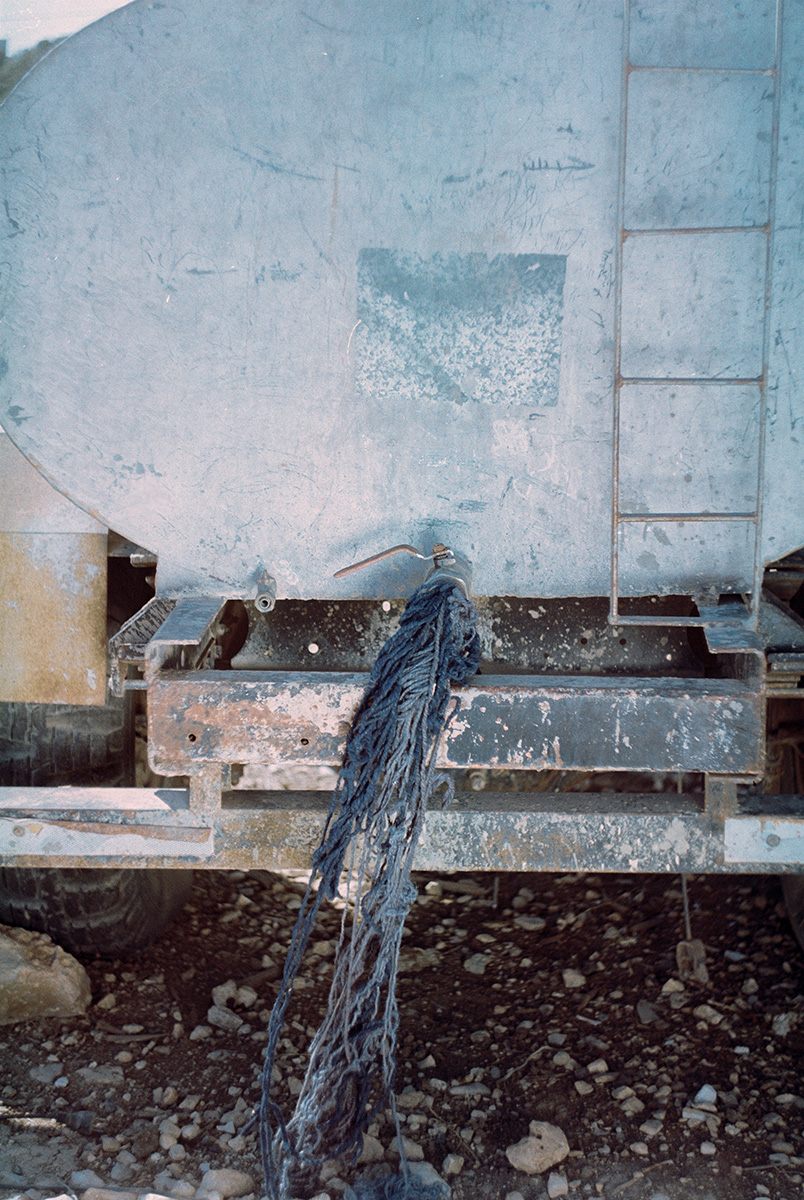
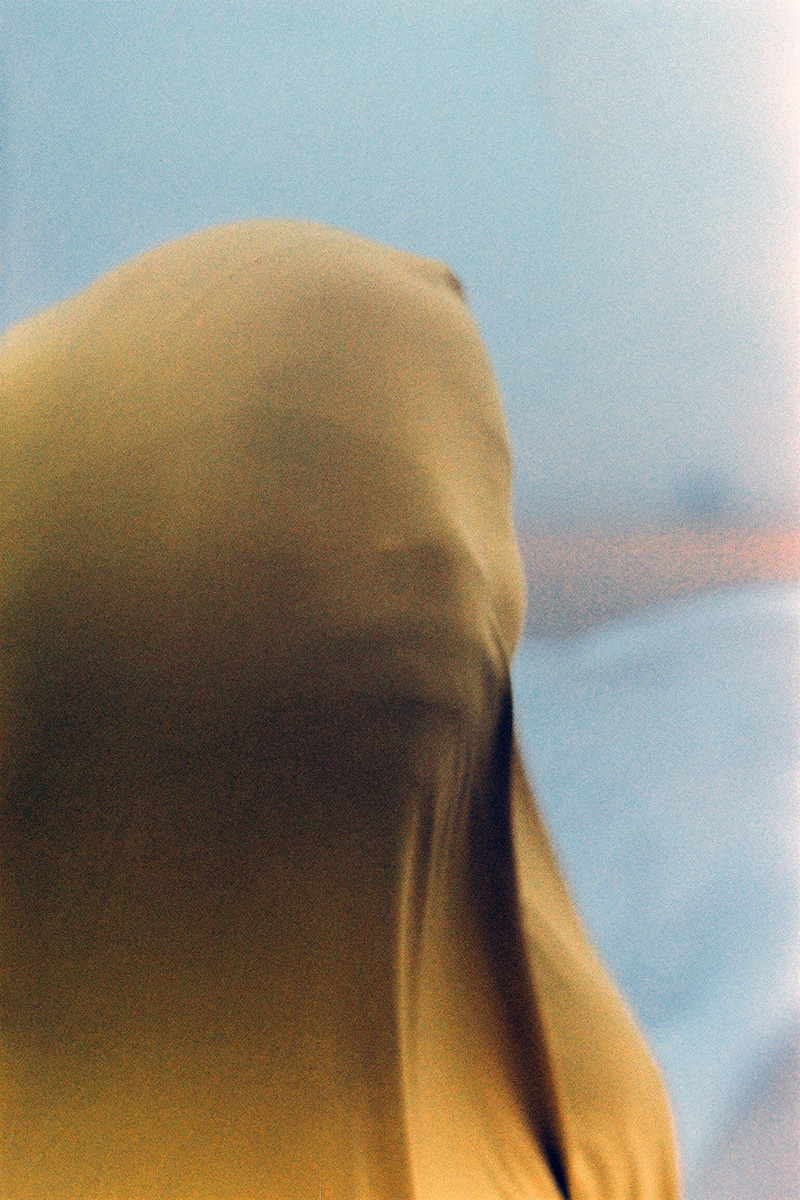
Opacity in this case does not mean disappearance.
It is a decision.
To exist, without opening the floor for interpretation.
أتذكّر المرّة الأولى التي شعرت فيها أن اسمي لا يكفي. كنت في الخامسة، في صفّ البستان، حين قال أحد الأطفال كلمة «عبدة». لم أفهم معناها، لكنني فهمت ما فعلته. وضعتني في مكان أدنى، وأعطت جسدي اسمًا يسبقني. لم يكن الاختلاف شيئًا يُكتشف، بل شيئًا يُستخدم. في تلك اللحظة، تعلّمت أن اللغة لا تصف فقط، بل تفرض.

في تلك السنوات، رأيت امرأة ترتدي السواد الكامل، تمشي ليلًا. لم تكن خطواتها ثقيلة، بل بدت كأنها تنزلق في الفضاء. لم أستطع قراءتها أو تصنيفها. كانت خارج الفهم، وهذا ما جعلها قوية. أخافتني في البداية، لكنها بقيت في ذاكرتي كاحتمال: جسد لا يُختزل، حضور لا يقدّم نفسه للشرح.

في المدرسة، لم أجد إجابات. لم يُقدَّم الجسد كمساحة للفهم، بل كشيء يجب ضبطه. قيل لي ماذا يجب أن أُخفي، دون أن يُشرح لي لماذا. هكذا بدأت أفهم أن المعرفة يمكن أن تُمنع، وأن الجسد يمكن أن يُدار دون أن يُفهم.

مع الوقت، تعلّمت كيف أتعامل مع ظهوري. لم أعد أظهر بالكامل، ولم أعد أختفي بالكامل. أصبحت أتحكّم بما يُرى، وبما يبقى خارج النظر. ليس خوفًا، بل وعيًا بأن كل ظهور يُعرّضني للقراءة.

حين وصلت إلى القدس عام 2018، صار هذا أكثر حدّة. لم يكن السؤال عن المكان فقط، بل عن اللون أيضًا. نظرات تتوقّف أكثر مما يجب، وأسئلة لا تُقال لكنها حاضرة. كل لقاء كان محاولة تفسير. لم تعد الهوية شيئًا أعيشه، بل شيئًا يُطلب مني شرحه. صار جسدي موضوعًا للفحص اليومي.

في مواجهة ذلك، لم أختر أن أشرح نفسي أكثر، بل أن أتوقف. أن أضع حدًا.

العتامة هنا ليست اختفاءً.
هي قرار.
أن أكون موجودة، دون أن أكون متاحة للقراءة.

1 of 21
2 of 21
3 of 21
4 of 21
5 of 21
6 of 21
7 of 21
8 of 21
9 of 21
10 of 21
11 of 21
12 of 21
13 of 21
14 of 21
15 of 21
16 of 21
17 of 21
18 of 21
19 of 21
20 of 21
21 of 21
Roba
Roba Alfaraoneh
Palestine

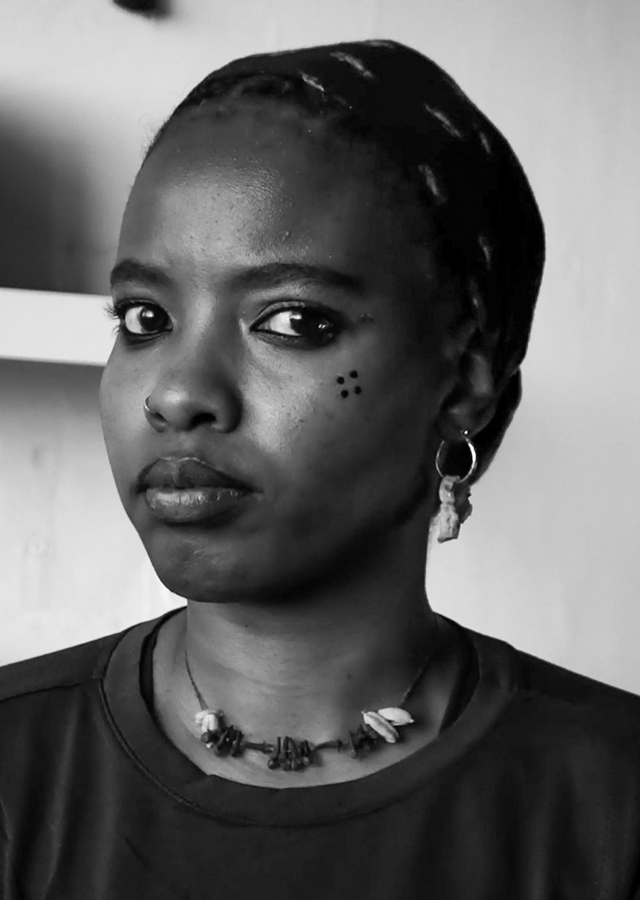
Roba Alfaraouna is a visual artist working across photography and sound, from the south of Palestine, born in 1995. Her work explores the relationship between body, space, and voice, with a focus on how visibility and opacity are shaped within controlled and surveilled environments.

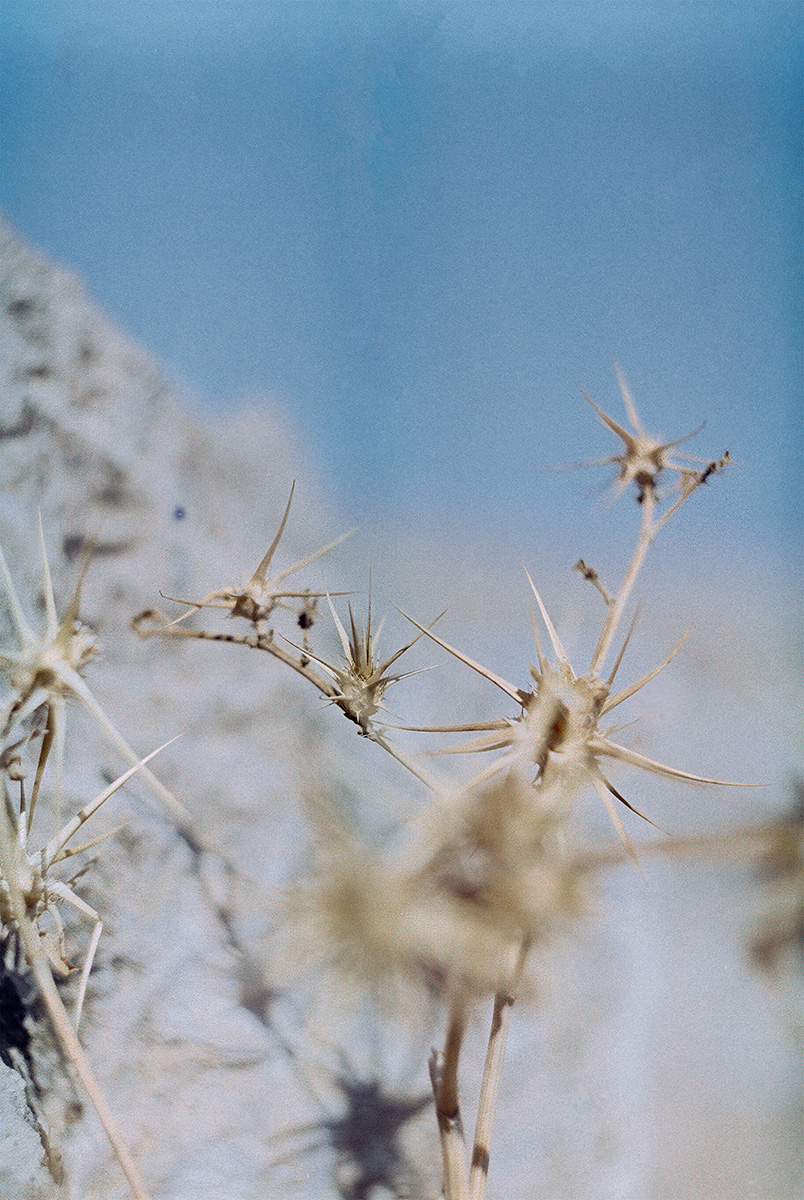
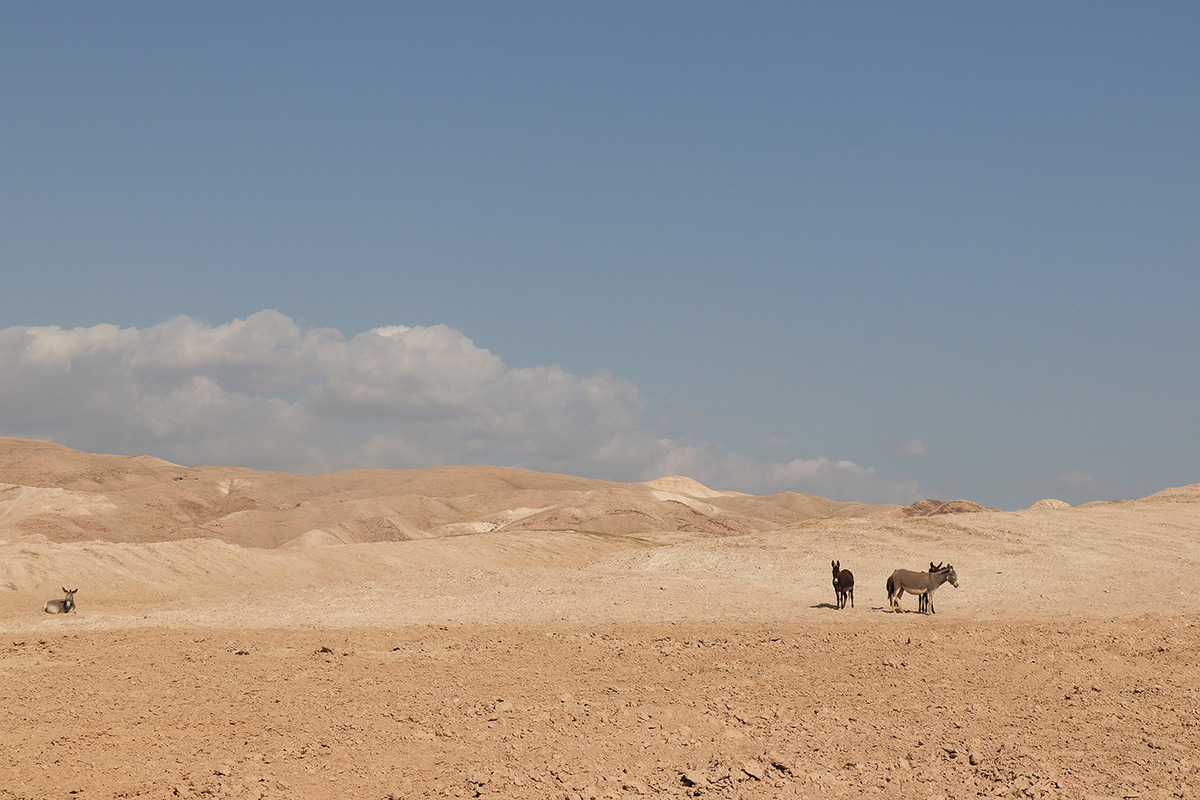
Through image, sound, and installation, she investigates the limits of representation and resists fixed readings of identity. Her practice draws on women’s voices, landscape, and embodied memory, questioning how the body is seen, categorized, and interpreted.

She has exhibited her work in Palestine and internationally, and her practice moves between photography, sound-based research, and spatial installations.

Instagram
Email

ربى الفراونة
فلسطين

ربى الفراونة فنانة بصرية تعمل في التصوير والصوت، من جنوب فلسطين، من مواليد 1995. تستكشف في أعمالها العلاقة بين الجسد، المكان، والصوت، مع تركيز على كيفية تشكّل الظهور والعتامة داخل فضاءات مُراقَبة ومُنظَّمة.

من خلال الصورة، الصوت، والتركيب الفني، تبحث في حدود التمثيل، وتقاوم القراءات الثابتة للهوية. تعتمد ممارستها على أصوات النساء، المشهد الطبيعي، والذاكرة الجسدية، متسائلةً عن كيفية رؤية الجسد وتصنيفه وتفسيره.

شاركت في معارض داخل فلسطين وخارجها، وتتنقّل أعمالها بين التصوير، البحث الصوتي، والتركيبات المكانية.

إنستغرام
البريد الإلكتروني
Roba Alfaraoneh
Palestine

Roba Alfaraouna is a visual artist working across photography and sound, from the south of Palestine, born in 1995. Her work explores the relationship between body, space, and voice, with a focus on how visibility and opacity are shaped within controlled and surveilled environments.

Through image, sound, and installation, she investigates the limits of representation and resists fixed readings of identity. Her practice draws on women’s voices, landscape, and embodied memory, questioning how the body is seen, categorized, and interpreted.

She has exhibited her work in Palestine and internationally, and her practice moves between photography, sound-based research, and spatial installations.
Instagram
Email

ربى الفراونة
فلسطين

ربى الفراونة فنانة بصرية تعمل في التصوير والصوت، من جنوب فلسطين، من مواليد 1995. تستكشف في أعمالها العلاقة بين الجسد، المكان، والصوت، مع تركيز على كيفية تشكّل الظهور والعتامة داخل فضاءات مُراقَبة ومُنظَّمة.

من خلال الصورة، الصوت، والتركيب الفني، تبحث في حدود التمثيل، وتقاوم القراءات الثابتة للهوية. تعتمد ممارستها على أصوات النساء، المشهد الطبيعي، والذاكرة الجسدية، متسائلةً عن كيفية رؤية الجسد وتصنيفه وتفسيره.

شاركت في معارض داخل فلسطين وخارجها، وتتنقّل أعمالها بين التصوير، البحث الصوتي، والتركيبات المكانية.

إنستغرام
البريد الإلكتروني
Roba
About the ADPP

The Arab Documentary Photography Program (ADPP) is an initiative that provides support and mentorship to photographers from across the Arab region. The Arab Fund for Arts and Culture in partnership with Magnum Foundation and the Prince Claus Fund established the ADPP to stimulate compelling work by Arab Photographers working across a range of experimental styles of storytelling.
ADPP عن

برنامج التصوير الفوتوغرافي الوثائقي العربي هو مبادرة تقدّم الدعم المالي والتقني للمصورين من المنطقة العربية. أطلق البرنامج الصنودوق العربي للثقافة والفنون بالشراكة مع مؤسسة ماغنوم وصندوق الأمير كلاوس بهدف تشجيع الأعمال الجريئة للمصورين العرب الذين يعملون في مختلف أشكال التجريب في السرد.
Program Advisors

Randa Shaath
Tanya Habjouqa
Eric Gottesman
Peter Van Agtmael
Nadia Bseiso
Abdo Shanan
Heba Khalifa
Newsha Tavakolian
Yasmine Eid-Sabbagh
Zied Ben Romdhane
مستشارو البرنامج

رندة شعث
تانيا حبجوقا
إريك غوتسمان
بيتر فان أغتمايل
ناديا بسيسو
عبده شنان
هبة خليفة
نيوشا توكليان
ياسمين عيد صبّاغ
زياد بن رمضان
About the ADPP

The Arab Documentary Photography Program (ADPP) is an initiative that provides support and mentorship to photographers from across the Arab region. The Arab Fund for Arts and Culture in partnership with Magnum Foundation and the Prince Claus Fund established the ADPP to stimulate compelling work by Arab Photographers working across a range of experimental styles of storytelling.
Program Advisors

Randa Shaath
Tanya Habjouqa
Eric Gottesman
Peter Van Agtmael
Nadia Bseiso
Abdo Shanan
Heba Khalifa
Newsha Tavakolian
Yasmine Eid-Sabbagh
Zied Ben Romdhane
Partnering Institutions
ADPP عن

برنامج التصوير الفوتوغرافي الوثائقي العربي هو مبادرة تقدّم الدعم المالي والتقني للمصورين من المنطقة العربية. أطلق البرنامج الصنودوق العربي للثقافة والفنون بالشراكة مع مؤسسة ماغنوم وصندوق الأمير كلاوس بهدف تشجيع الأعمال الجريئة للمصورين العرب الذين يعملون في مختلف أشكال التجريب في السرد.
مستشارو البرنامج

رندة شعث
تانيا حبجوقا
إريك غوتسمان
بيتر فان أغتمايل
ناديا بسيسو
عبده شنان
هبة خليفة
نيوشا توكليان
ياسمين عيد صبّاغ
زياد بن رمضان
المؤسسات الشريكة