All Projects
جميع المشاريع

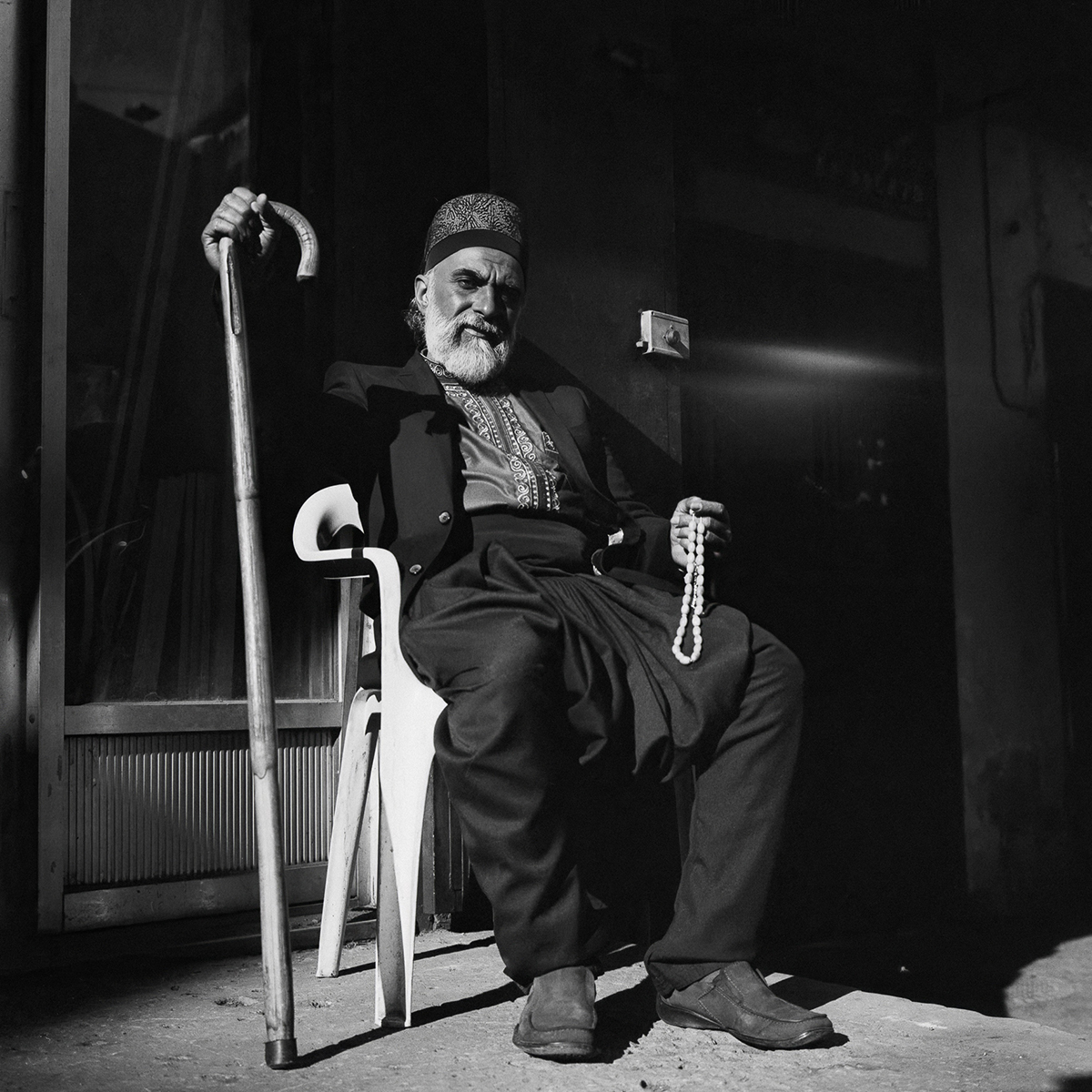
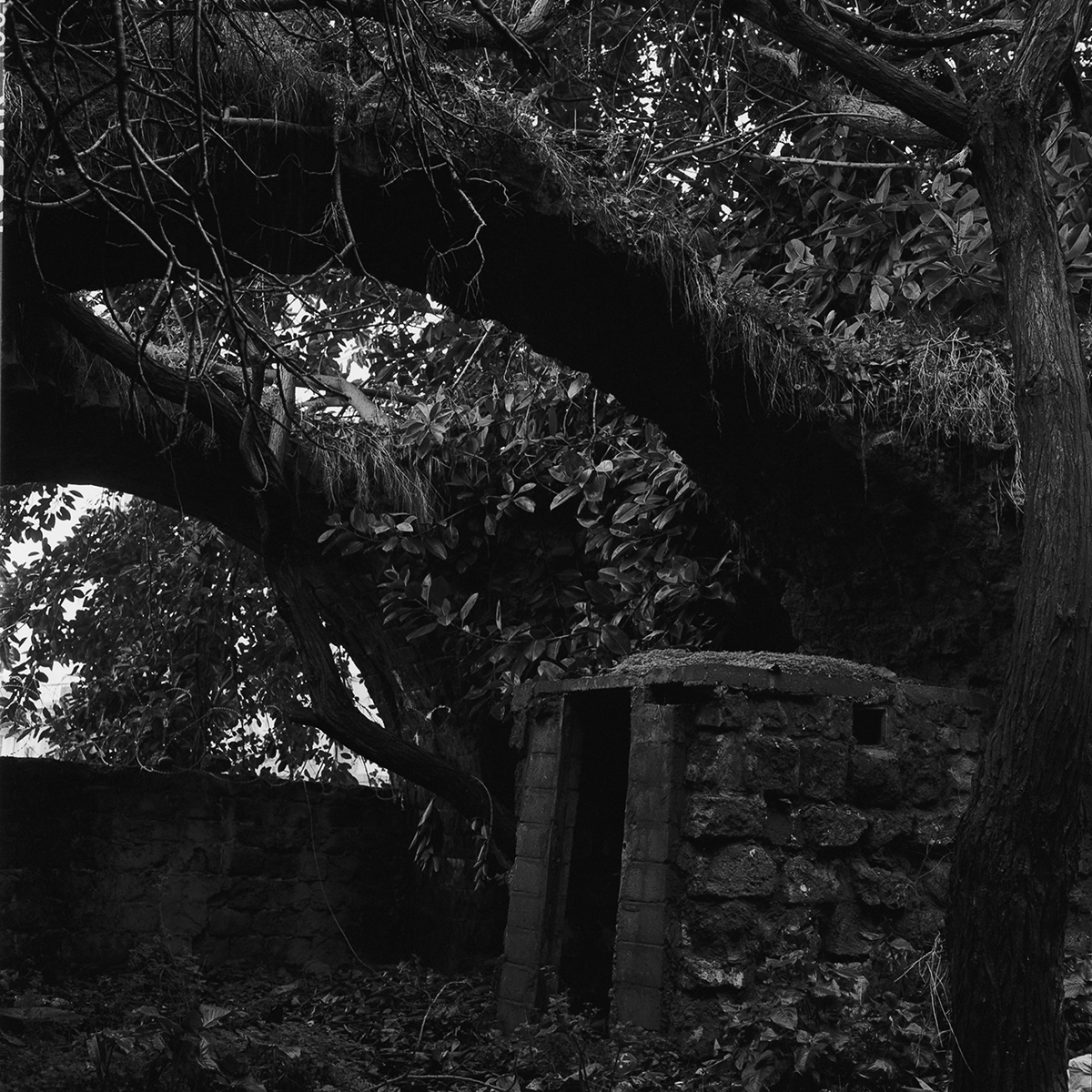
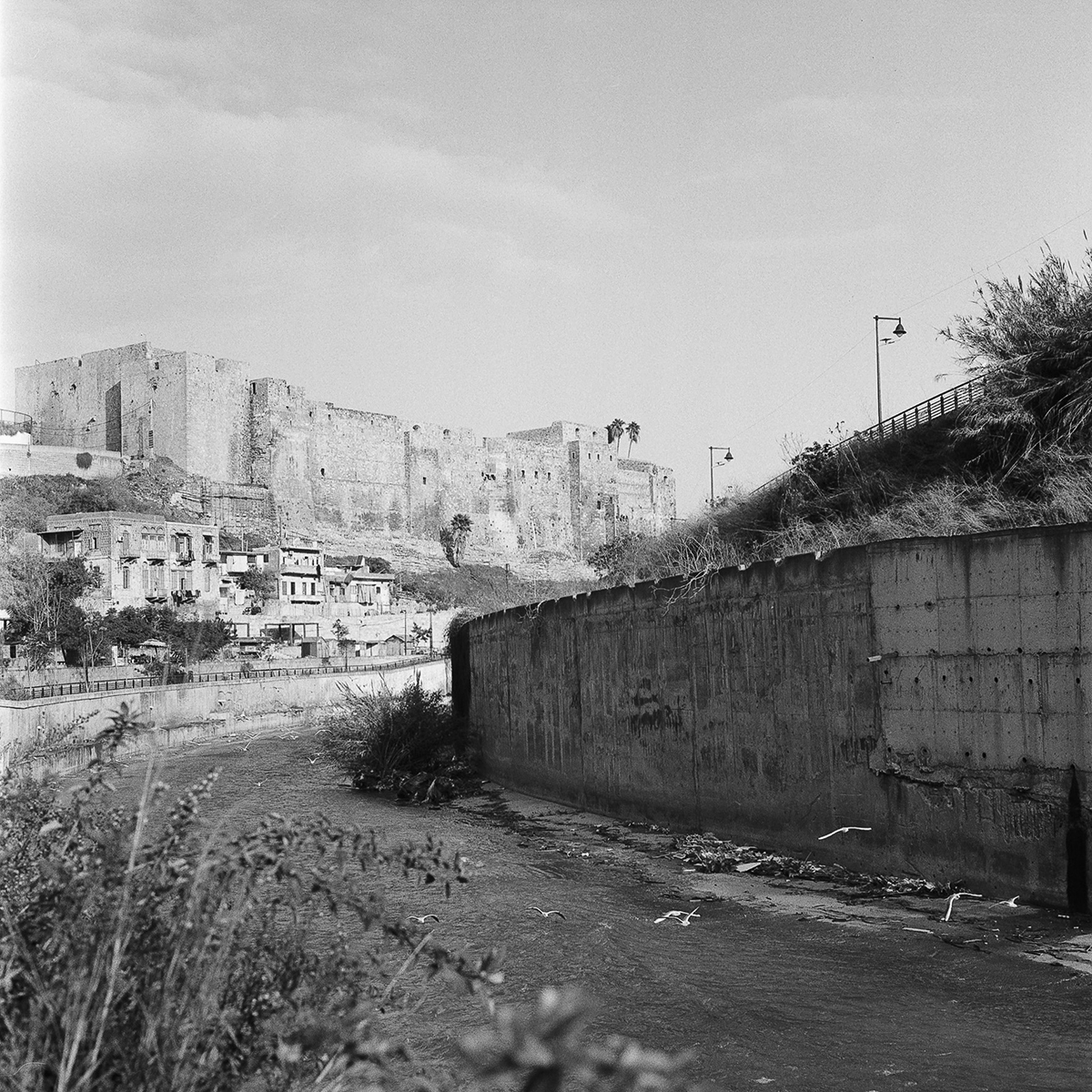
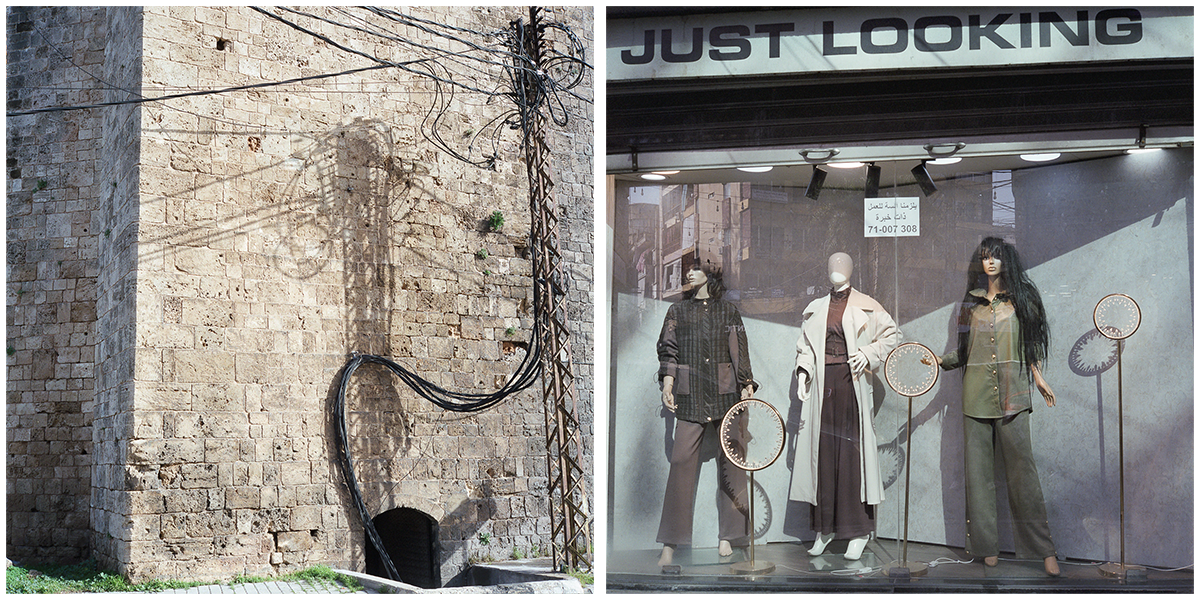
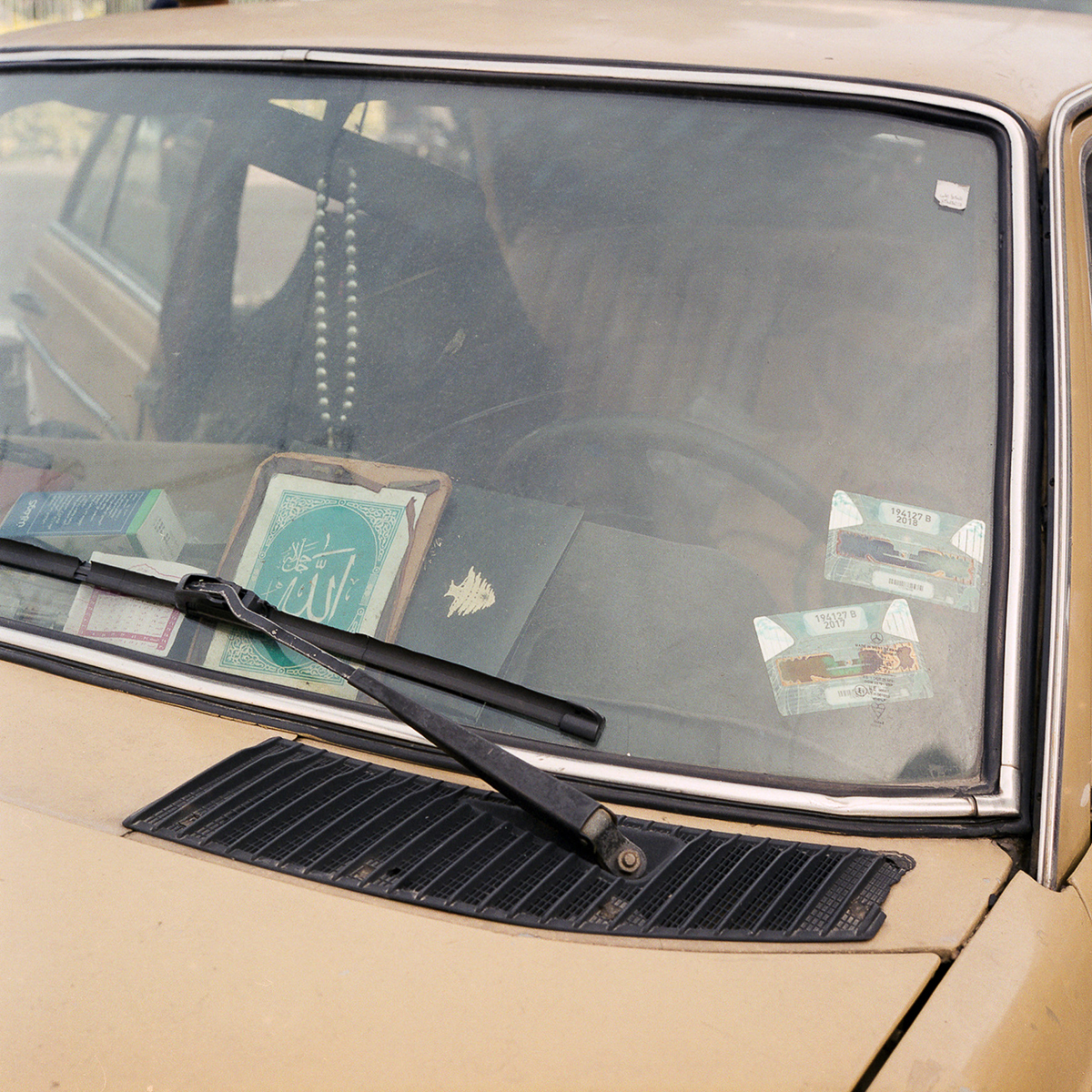
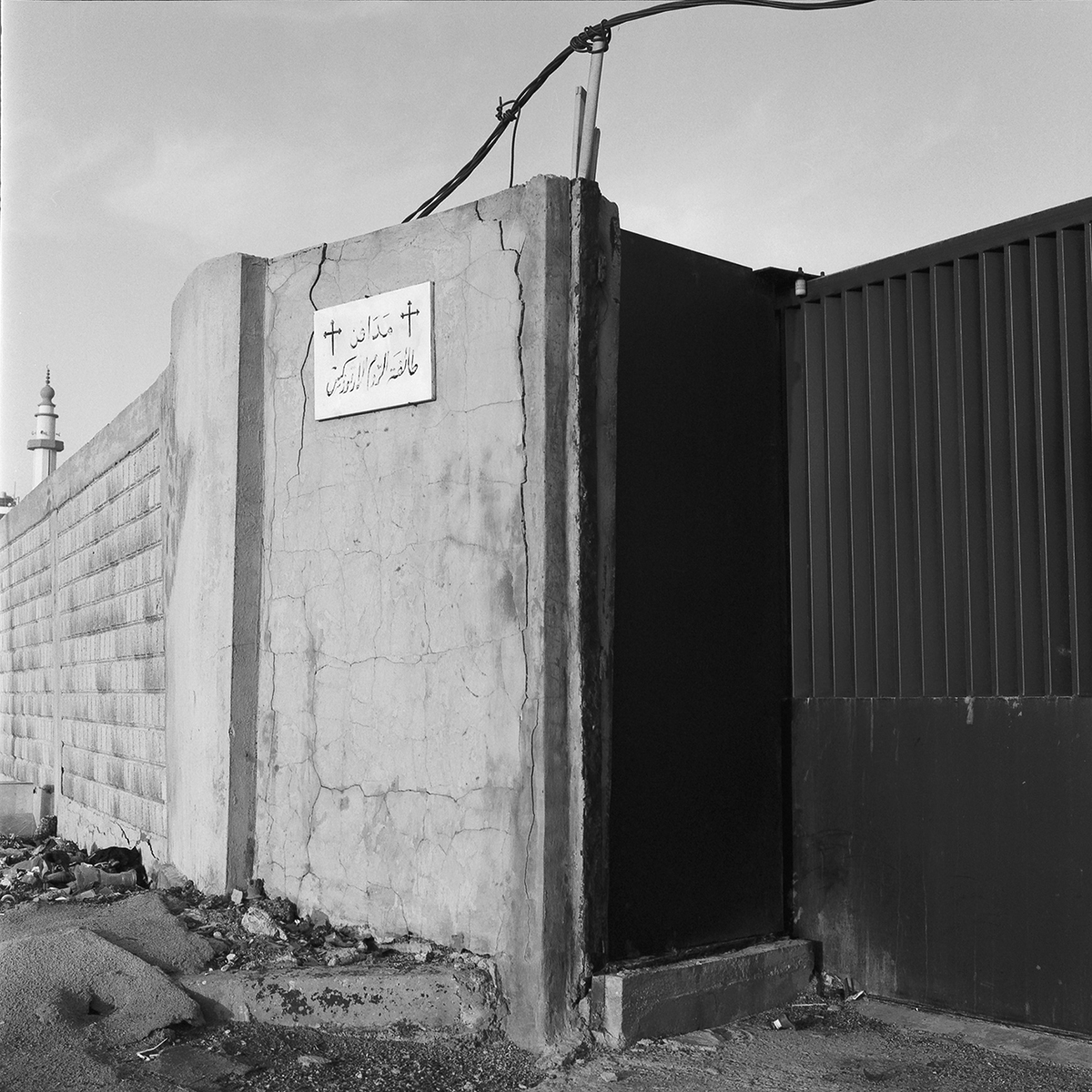
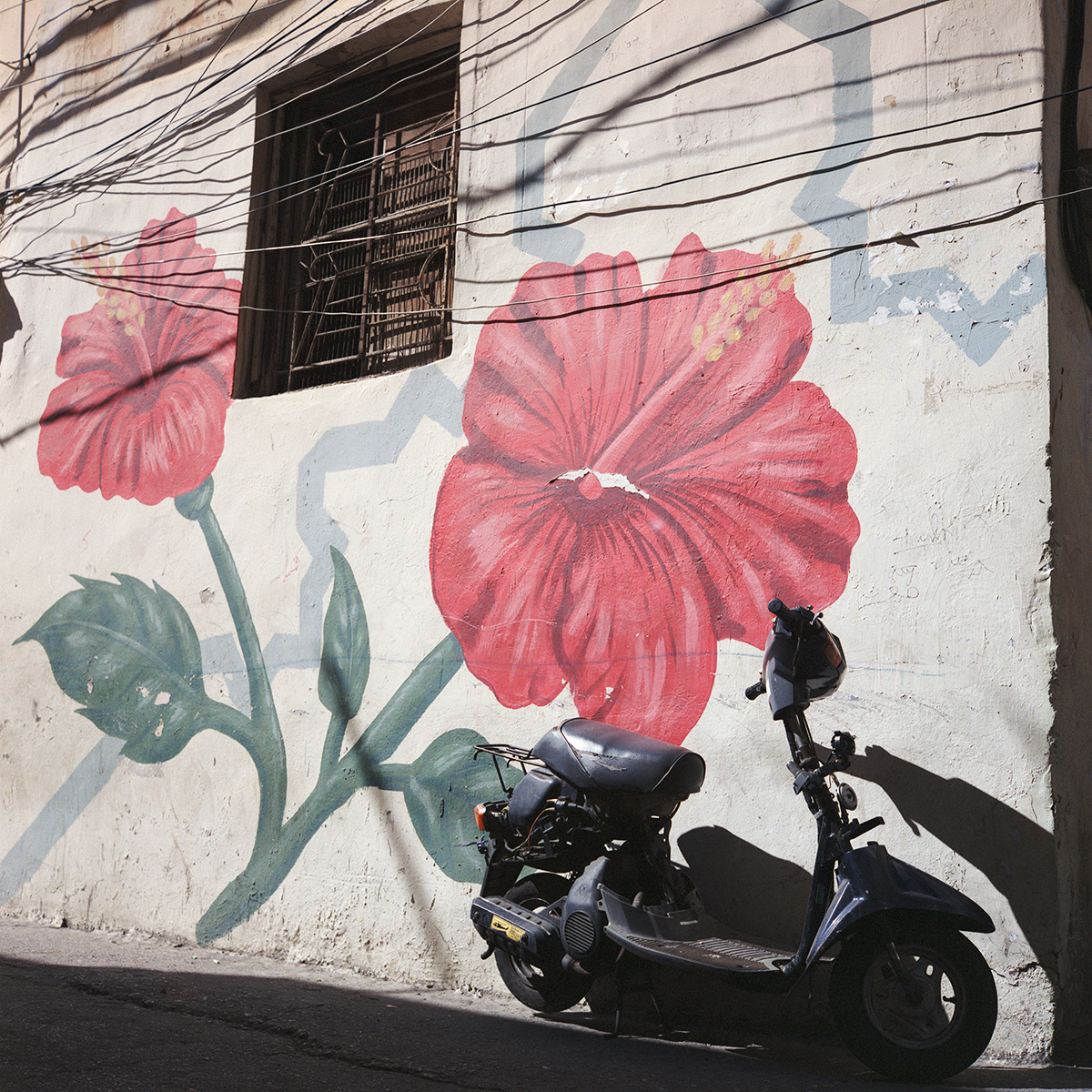
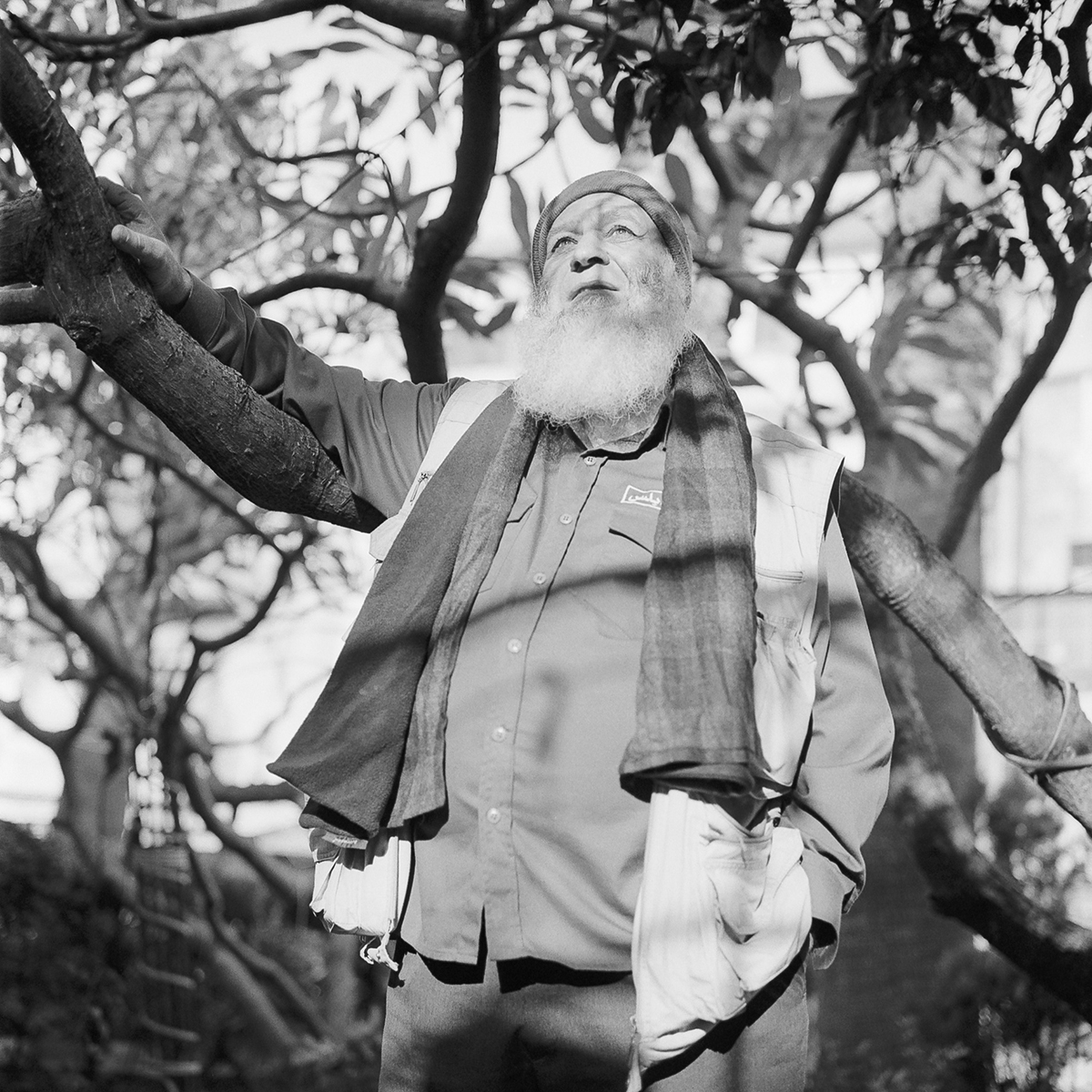
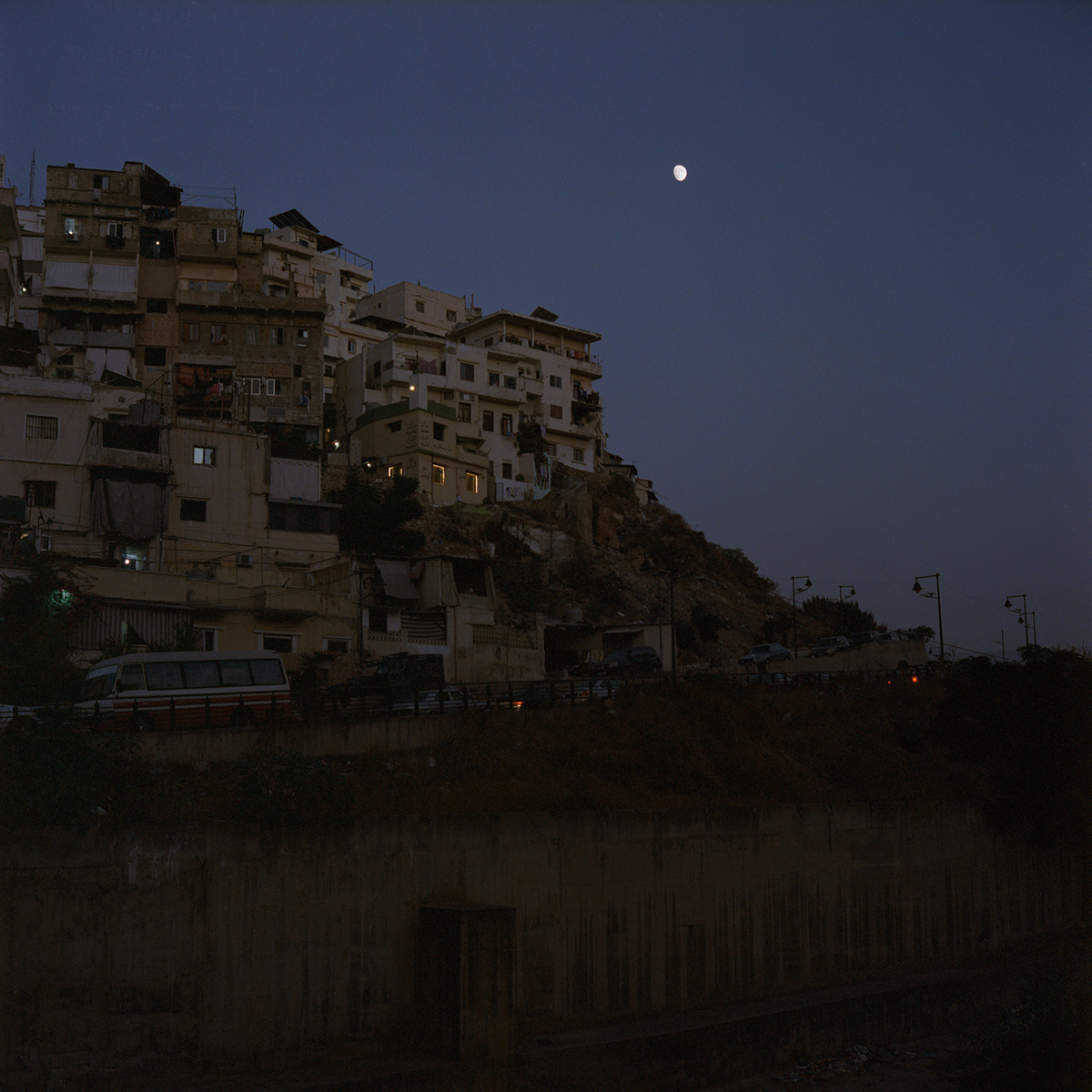
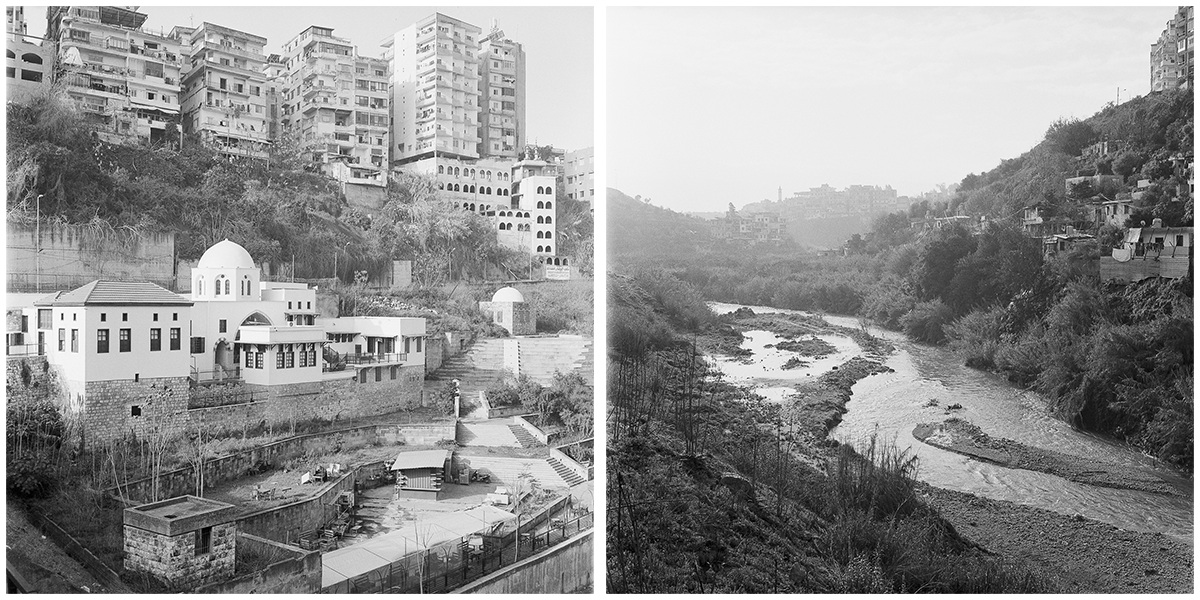
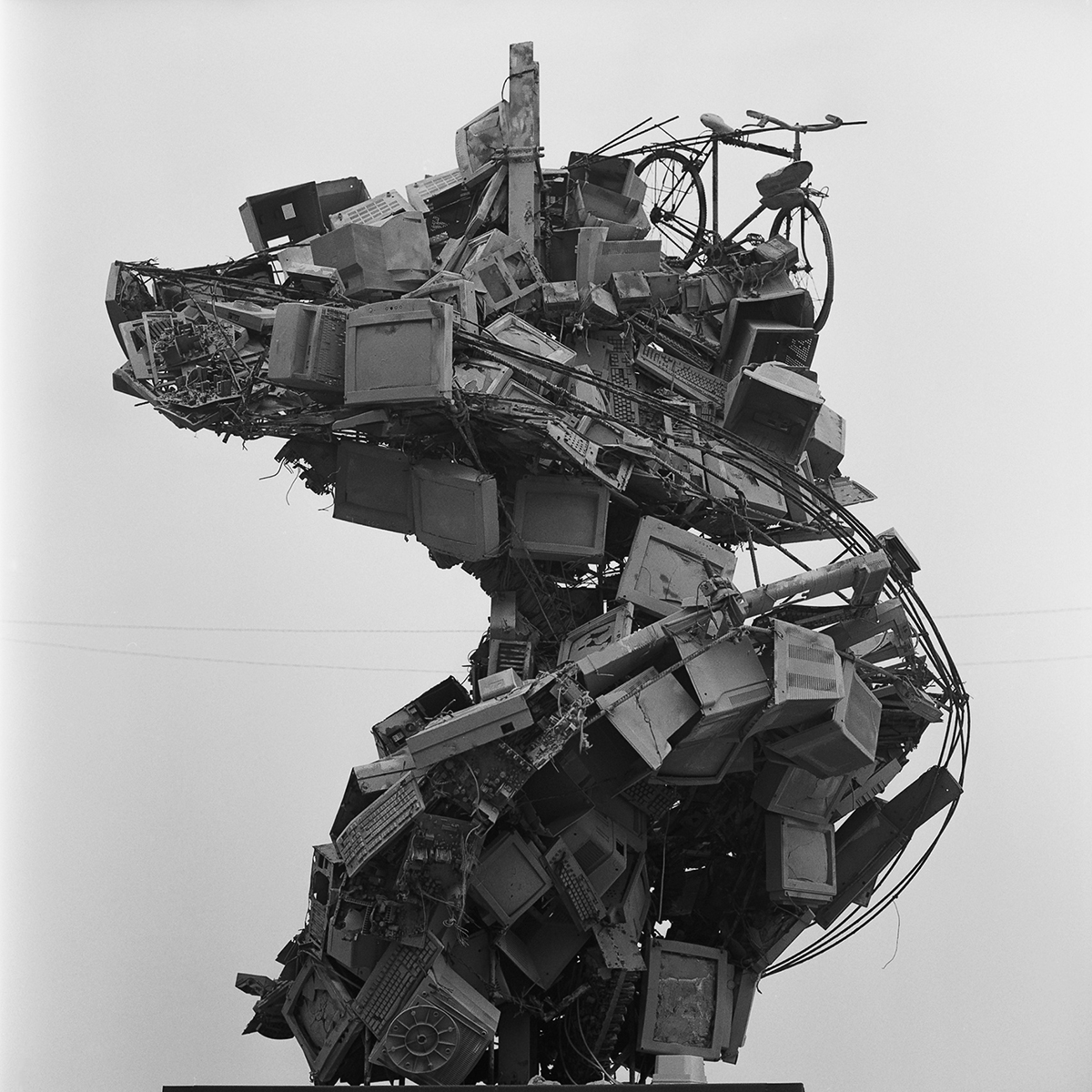
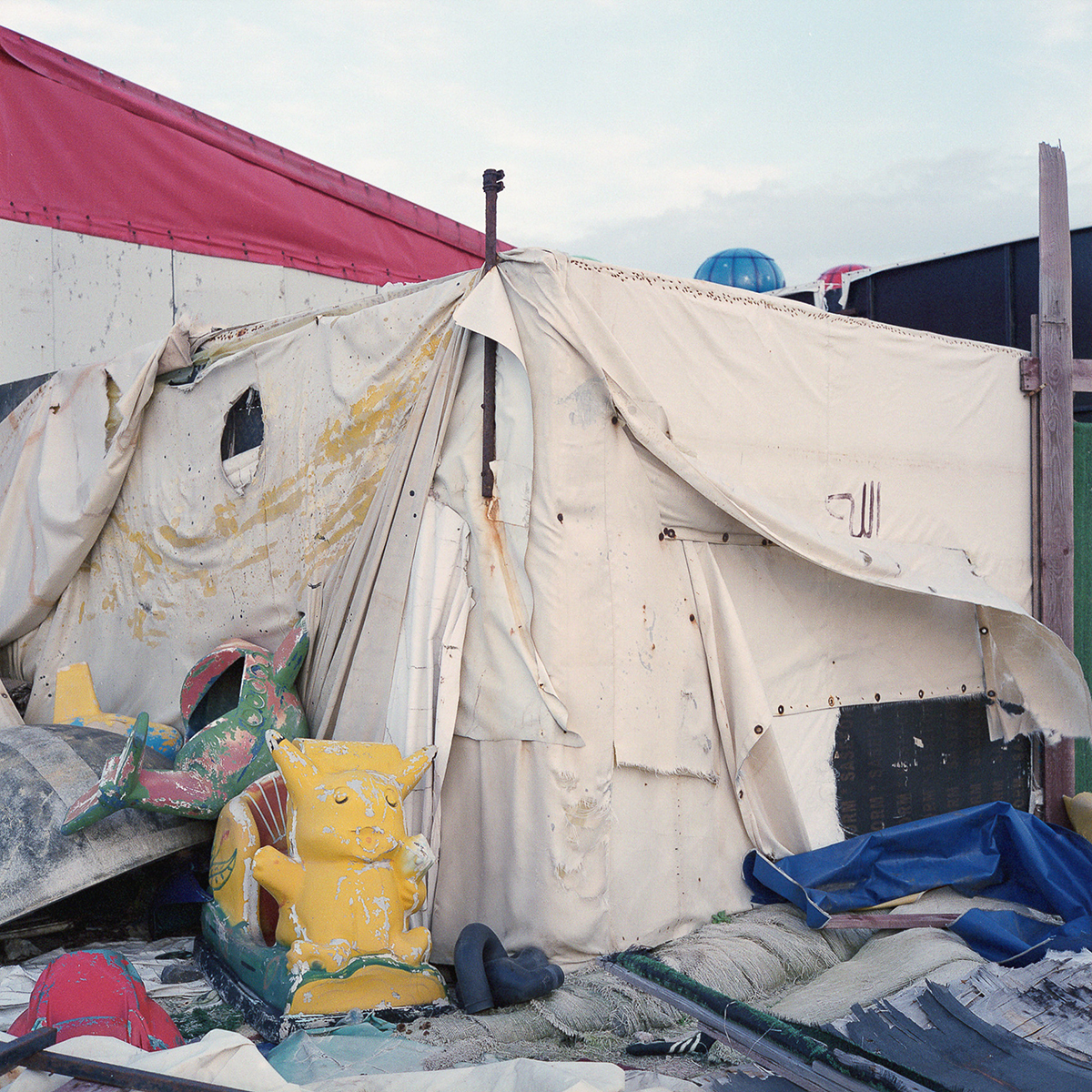
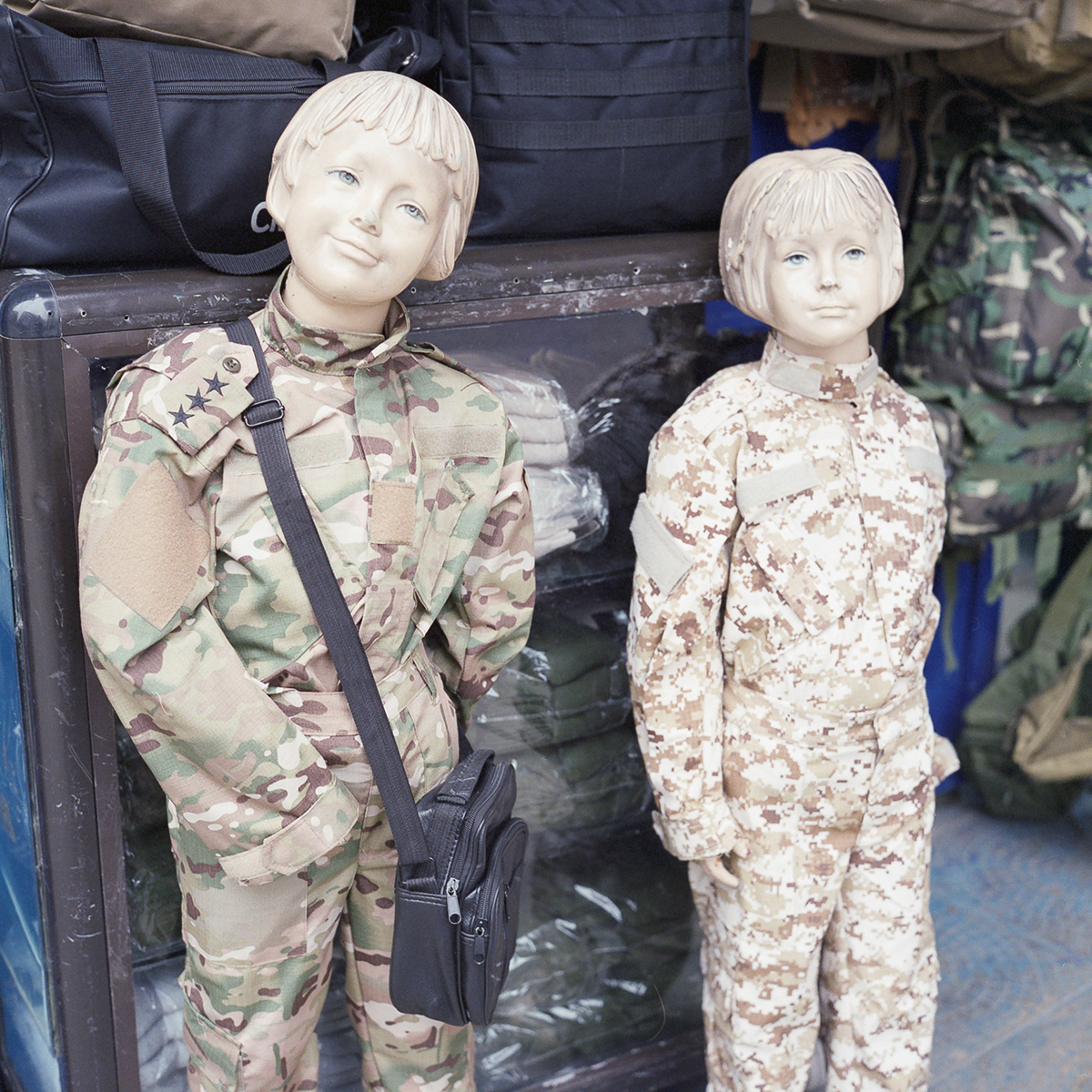
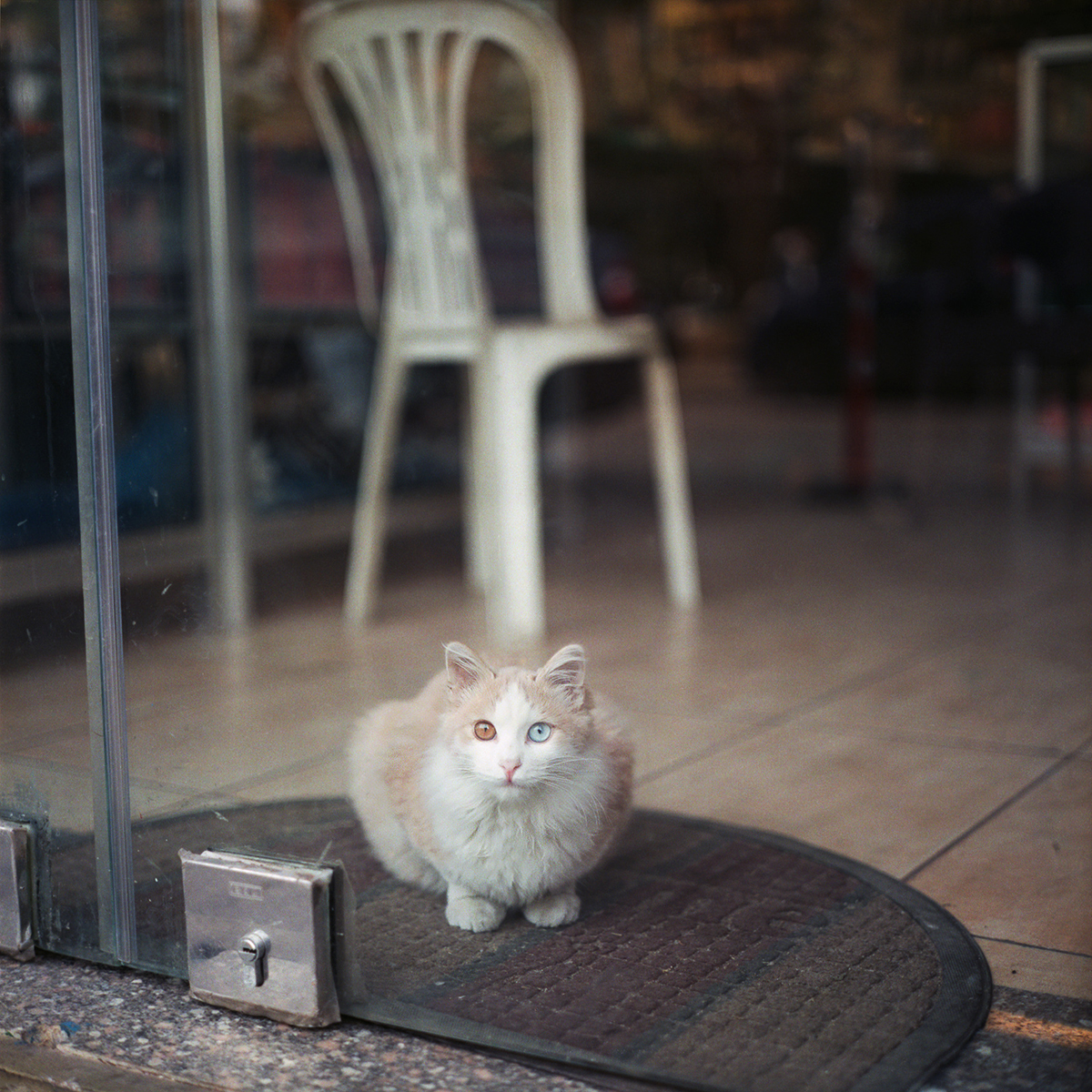
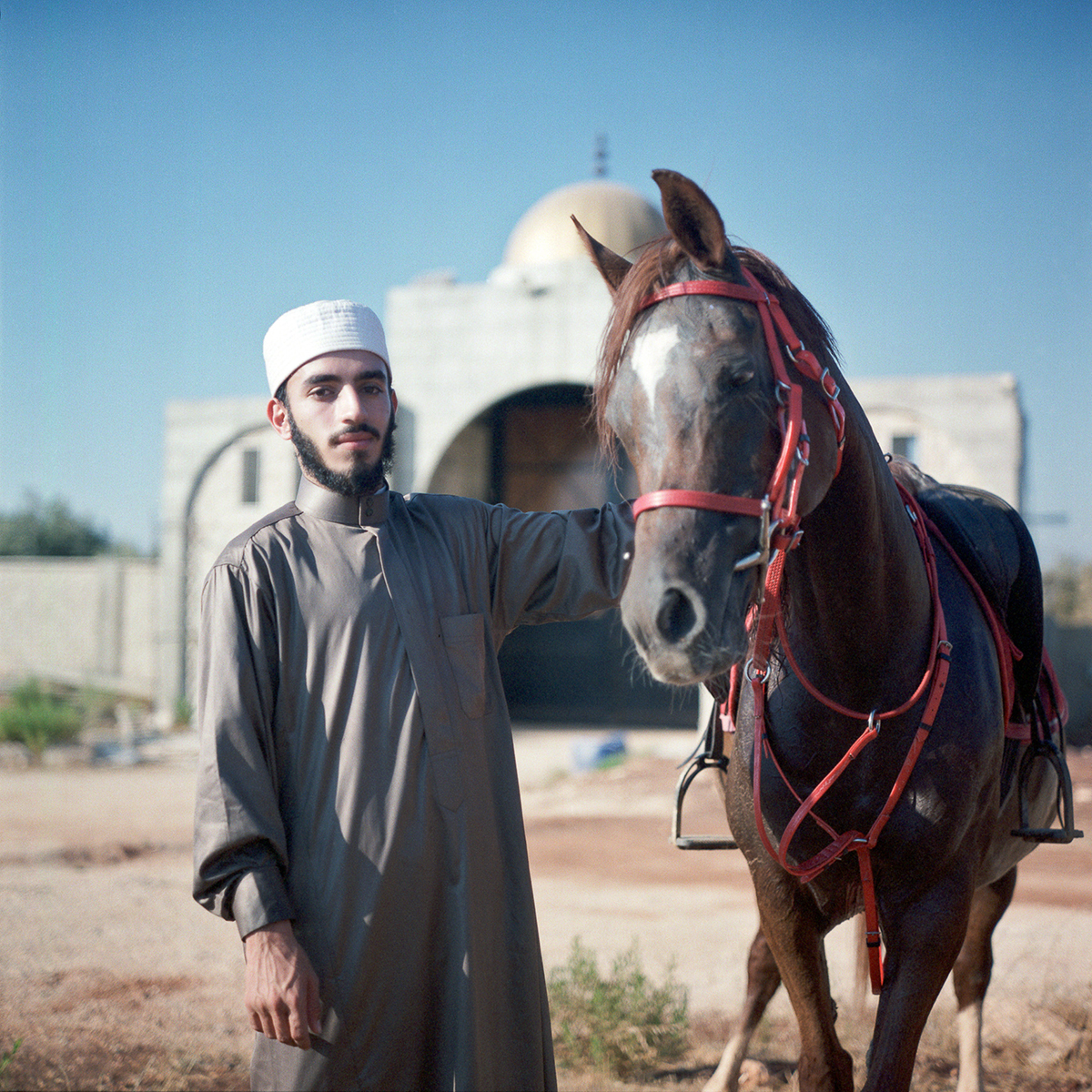
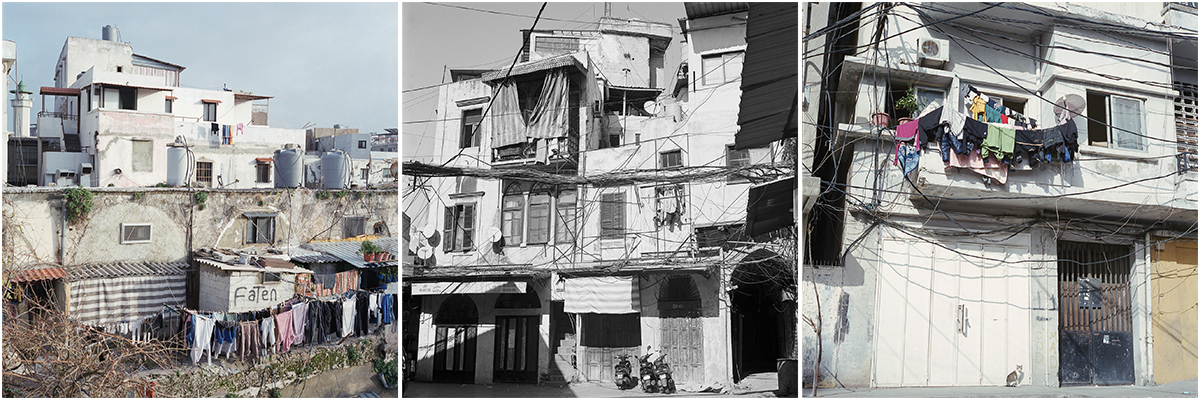
This series is a visual exploration of Tripoli, a misunderstood city often shrouded in narratives that presents it as a derelict, inhospitable sectarian monolith, concealing its rich cultural heritage and fluid political dynamics.
Through photography, I investigate this myth—and, more broadly, the idea of reality itself. What we understand as real, what we understand as a world, and how we might modify it. By stretching the limits of “documentary photography”, which is based on rational thinking, the current dominant -but crumbling- settings of our world, I invite the viewer to embrace mythical time and space ( نﺎﻛ ﺎﻣ ﺎﯾ نﺎﻛ ) to question how things are appear to us, because in our present moment, we find it increasingly difficult to imagine certain ideas as possible, such as living together, cohabitating a single world, even though they are necessary for us to (re)imagine the future.
Black like the night itself. Tough and long, very long. Longer than a tow rope hanging from a ship’s anchor at sea. Thick and wide. When it hissed, its voice shook the earth.
People were terrified of it. Many fled because of it. It appeared only in darkness.
We’re not talking about a dinosaur. We’re not talking about a black gorilla.
I’m describing the famous Castle Serpent of Tripoli.
أسودٌ حالكٌ كالليل صلبٌ وطويل، طويلٌ جداً. أطولُ من حبلٍ يتدلّى من مِرساةِ سفينةٍ في عرض البحر.
سميك وعريض. عندما كان يزمجر، كان صوته يهز الارض.
كان الناس يرتعبون منه. وفرّ الكثيرون بسببه. لم يكن يظهر إلّا في الظّلام.
لستُ أتحدّثُ عن ديناصور ولا عن غوريّلا سوداء.
بل عن ثُعبان قلعة طرابلس الشّهير.
Its head was in the heart of the river, and its tail was still high among the stones of the castle.
The serpent descended in a straight line from top to bottom.
"كان رأسهُ في قلبِ النّهر، وذيله لا يزال معلّقاً بين حجارة القلعة."
إنحدر الثُعبانُ في خطٍ مستقيمٍ من الأعلى الى الأسفل.
"كان رأسهُ في قلبِ النّهر، وذيله لا يزال معلّقاً بين حجارة القلعة."
People said there was a message the serpent wanted to convey, but no one knew how to understand it.
Then, one year, the serpent disappeared. No one ever saw it again for thousands of years…
Until one day, the day before Ramadan, in broad daylight, a man living at the edge of the river saw a serpent crossing between the houses. Terrified, he ran to warn the people, shouting:
“O people of the river! O residents of the houses! Gather your children early today. The moon is about to be born, and the strange story may come true!”
حتى جاء يوم، اليوم الذي سبق بداية رمضان، وفي وضح النّهار، رأى رجلٌ يعيشُ عند ضفّة النهر ثعباناً يعبر بين البيوت. مذعوراً، راح يركض صارخاً ليحذّر الناس:
"يا أهل النّهر! يا قاطني البيوت! اجمعوا اطفالكم باكراً اليوم. القمر على وشك أن يولد، وقد تتحقق الحكاية الغريبة!
The serpent was hiding beneath rocks and ancient roots, roaming the riverbanks and the orchards. A beautiful blue-green bird accompanied it, moving from tree to tree, whistling whenever someone passed along the path as a warning:
“Watch out, my friend, someone is coming from afar!”
كانت الثعبان يختبئ تحت الصخور وجذور الأشجار العتيقة، ويجوب البساتين وضفاف النهر. وكان يرافقه طائرٌ جميلٌ ذو لونٍ أزرقٍ مُخضَرّ، ينتقل من شجرة الى أُخرى، ويزقزق كلّما مرّ أحدهم في الطريق محذّراً الثعبان:
"إنتبه يا صديقي، هناك من يأتي من بعيد!"
The bird said to the serpent, “Your problem is that you crawl in a frightening way, and people have heard stories about you—stories that don’t sit well with the heart.”
The serpent replied, “That isn’t true. My essence is different from my appearance. I’ve never harmed anyone, or even thought of it.”
قال الطائر للثعبان: "مشكلتك أنك تزحف بطريقة مخيفة، وقد سمع الناس عنك حكايات لا تطمئنُّ لها القلوب."
أجاب الثعبان: "هذا ليس صحيحاً. جوهري مختلفٌ عن مظهري. أنا لم أؤذِ أحداً قط، ولا حتى فكّرتُ في ذلك."
Overhearing them nearby was a young man in his thirties. He had a rare gift: he understood the language of animals. He returned to the crowd and said, “I have an idea. You can benefit from the serpent during the distribution of food at iftar.”
“Before the call to prayer,” he explained, “place your dishes on the windowsills halfway between the houses and wait.
The goldfinch fluttered loudly, shaking its feathers.
كان يستمع إلى حديثمها شابٌّ في الثلاثين من عمره يملك موهبةً نادرة: كان يفهم لغة الحيوانات. عاد الشاب الى أهل النّهر وقال لهم: "لدي فكرة. يمكننا الاستفادة من الثعبان أثناء توزيع الطعام عند الافطار."
شرح لهم قائلاً: "قبل الأذان، ضعوا أطباقكم عند عتبات النّوافذ في منتصف المسافة بين البيوت، وانتظروا."
خَفَقَ طائر الحسّون بجناحيه بقوة، وهو يهزّ ريشه.
The message was clear. “The serpent will rise from the river, crawl in a straight line, and make three turns between the houses. Place the dishes on its back and mark them with colors or ribbons—each house with a different color: Abu Ahmad in green, Umm Georges in yellow, Siham and her neighbor in red. The sharing dish becomes a ‘round,’ and every table will be filled with the same food.”
Some still hesitated but they agreed. The young man said:
“As long as it wants to live in peace, like anyone else, that is its right.”
“The sharing of food is heritage and foundation,” he concluded.
تردّد البعض في البداية، ولكنهم وافقوا. قال الشاب:
"ما دام الثعبان يريد أن يعيش بسلام، كأيّ كائنٍ آخر، فهذا حقّه".
وختم كلامه قائلاً: "مشاركة الطعام لَهِيَ إرثٌ وأساس
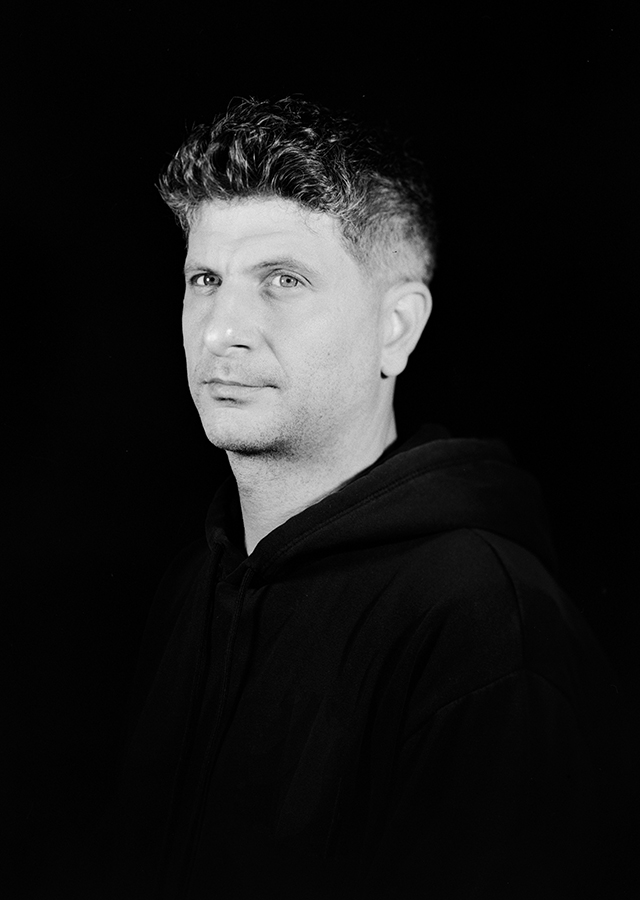
Paul Gorra (b.1987, London) is a Lebanese photographer based in Beirut. Paul grew up in the analogue mountains of Kesrouan and went on to study photography at the Lebanese Academy of Fine Arts (ALBA). His sustained photographic practice is a field survey of Lebanon’s ever-changing vernacular landscapes, exploring the relationship between environment and identity.
Paul Gorra (b.1987, London) is a Lebanese photographer based in Beirut. Paul grew up in the analogue mountains of Kesrouan and went on to study photography at the Lebanese Academy of Fine Arts (ALBA). His sustained photographic practice is a field survey of Lebanon’s ever-changing vernacular landscapes, exploring the relationship between environment and identity.