All Projects
جميع المشاريع

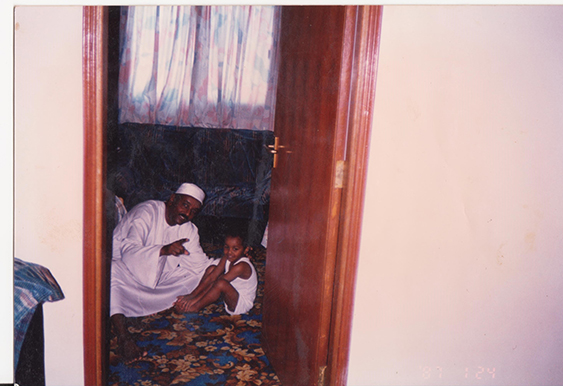
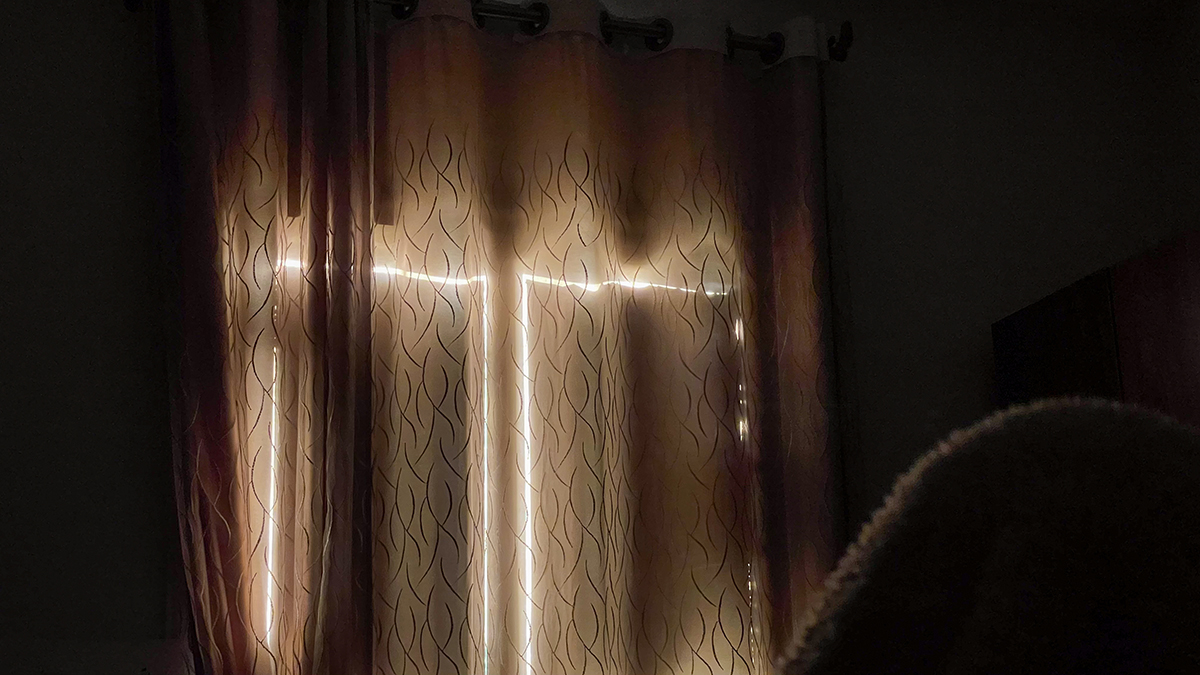
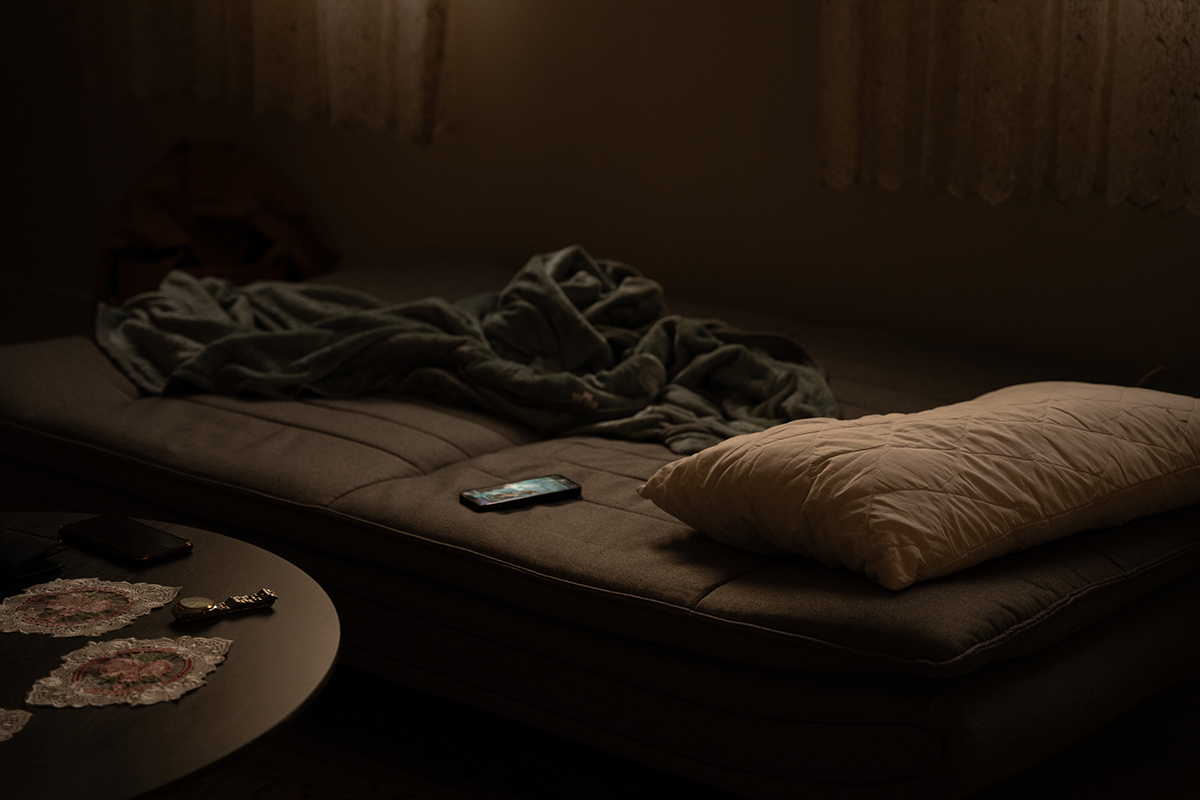
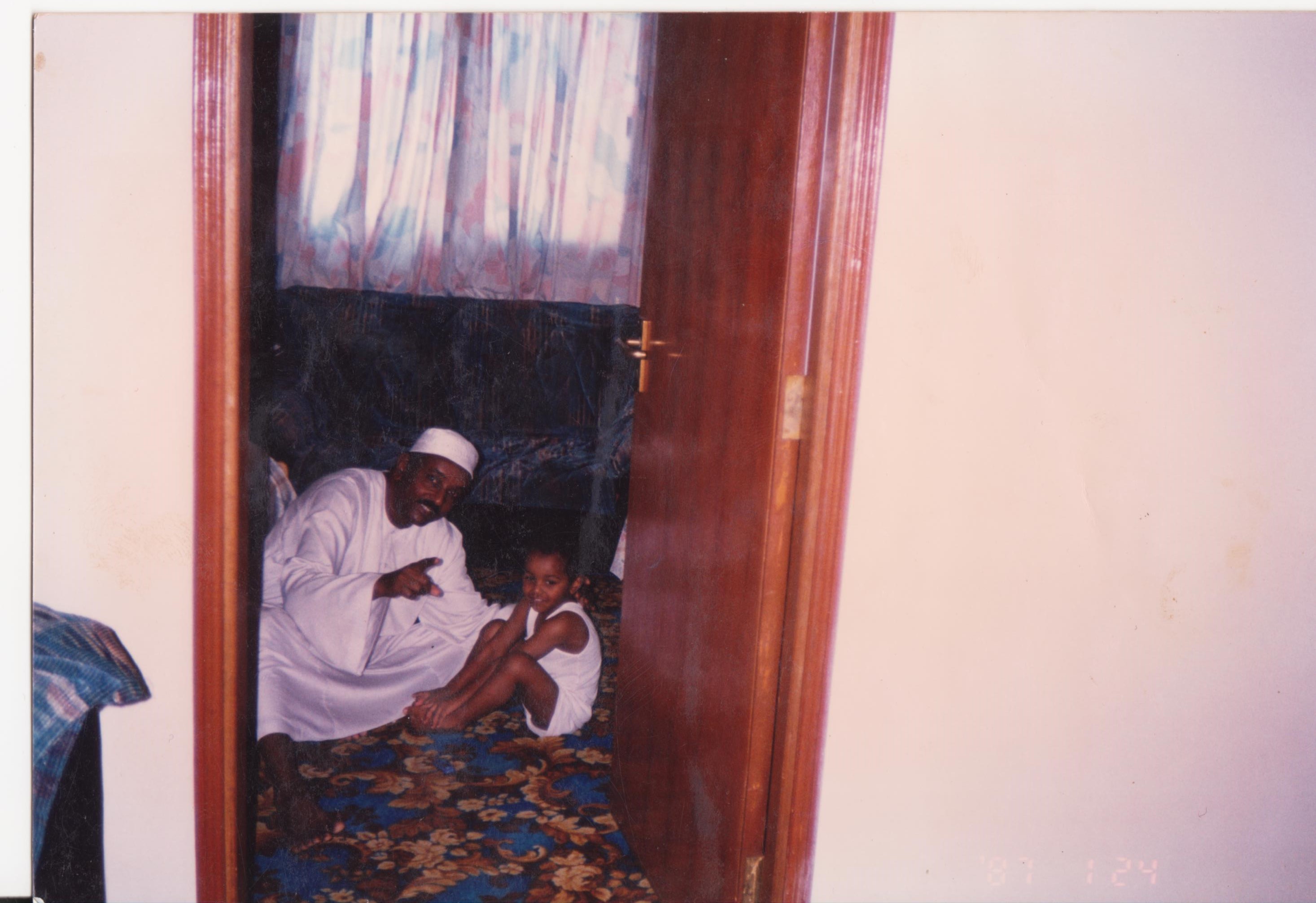
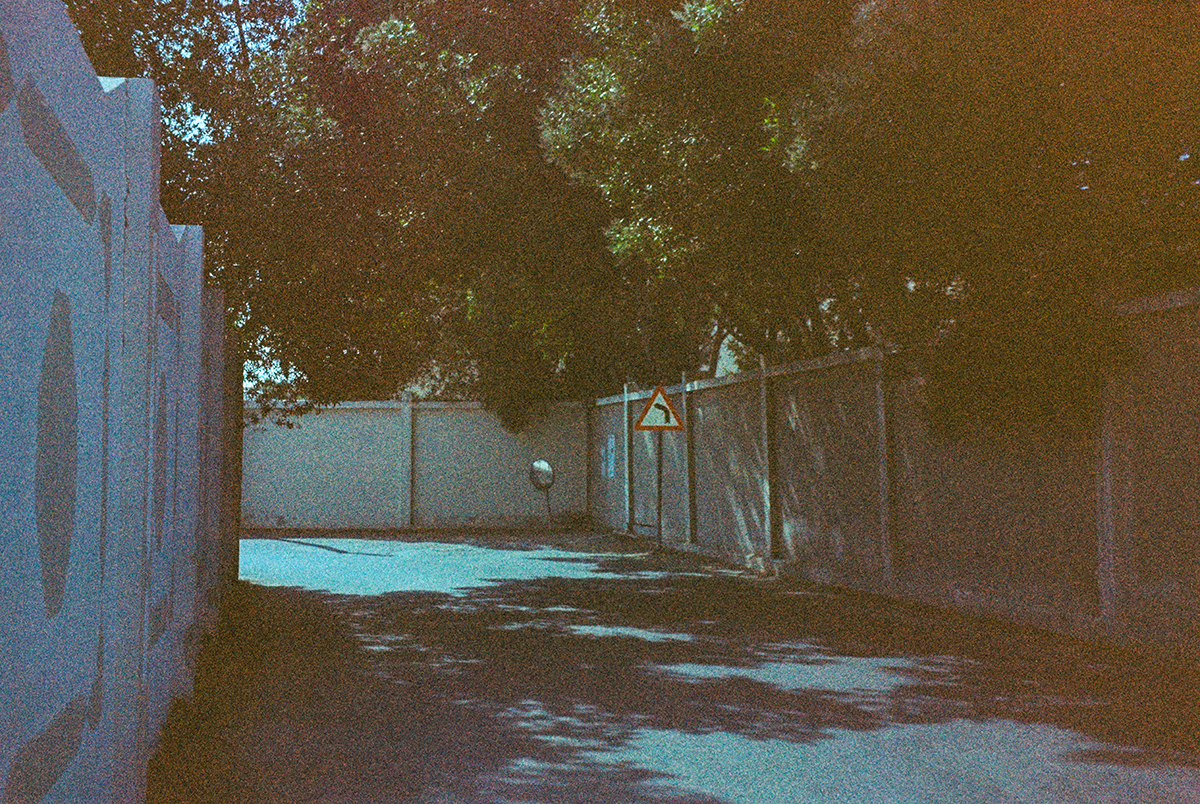
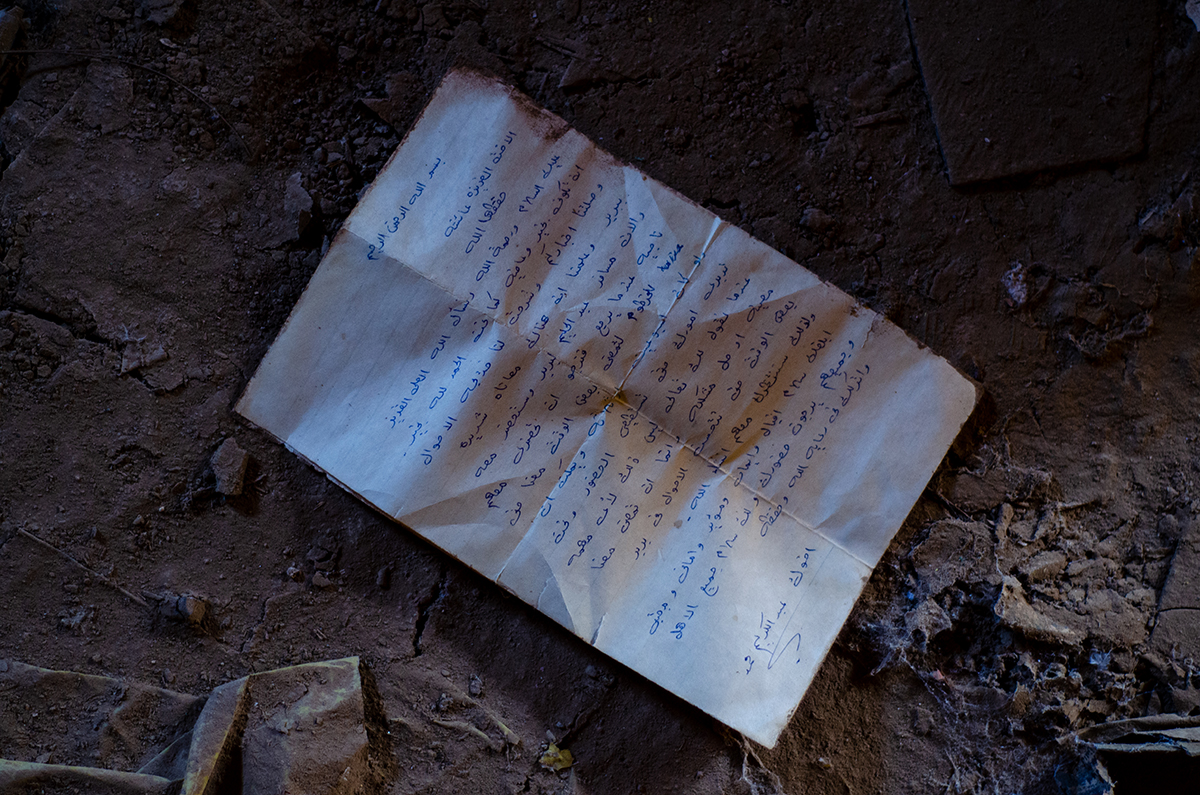
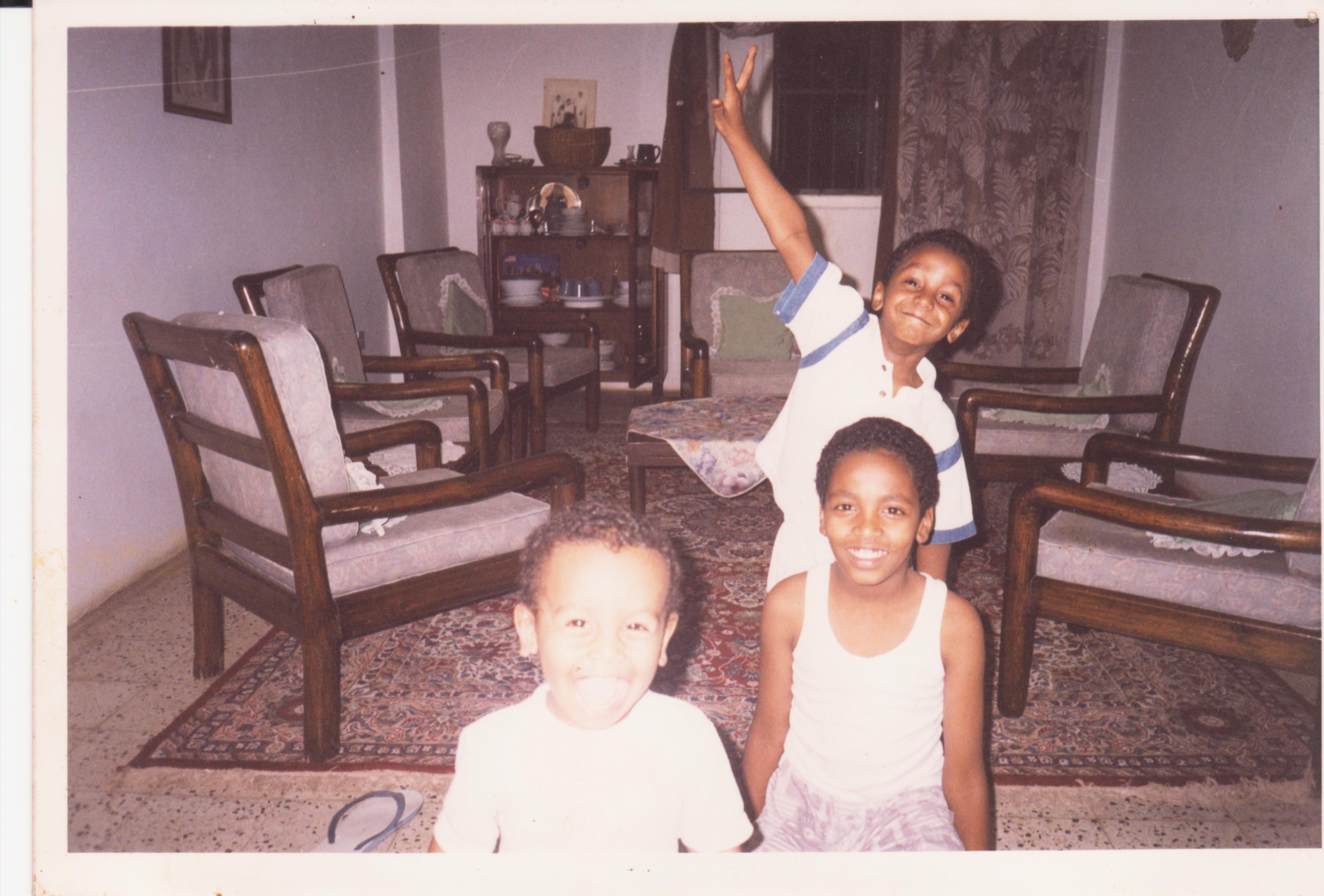
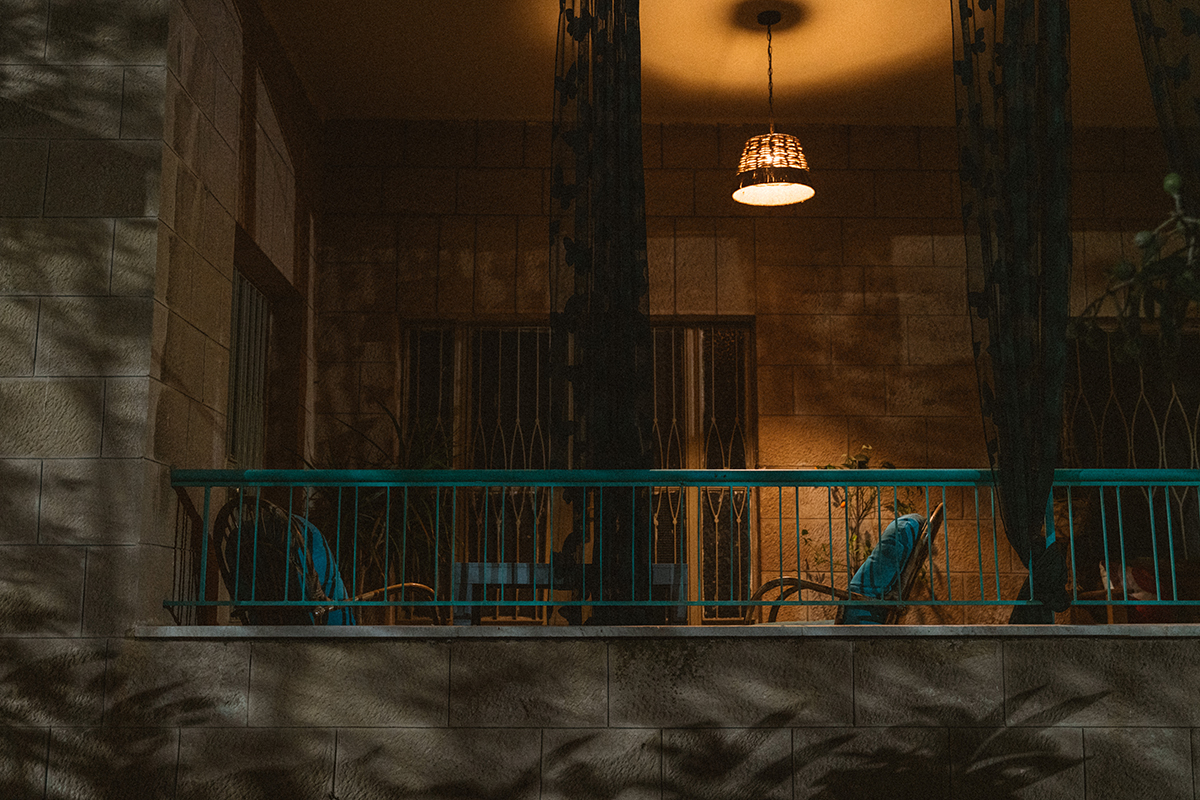
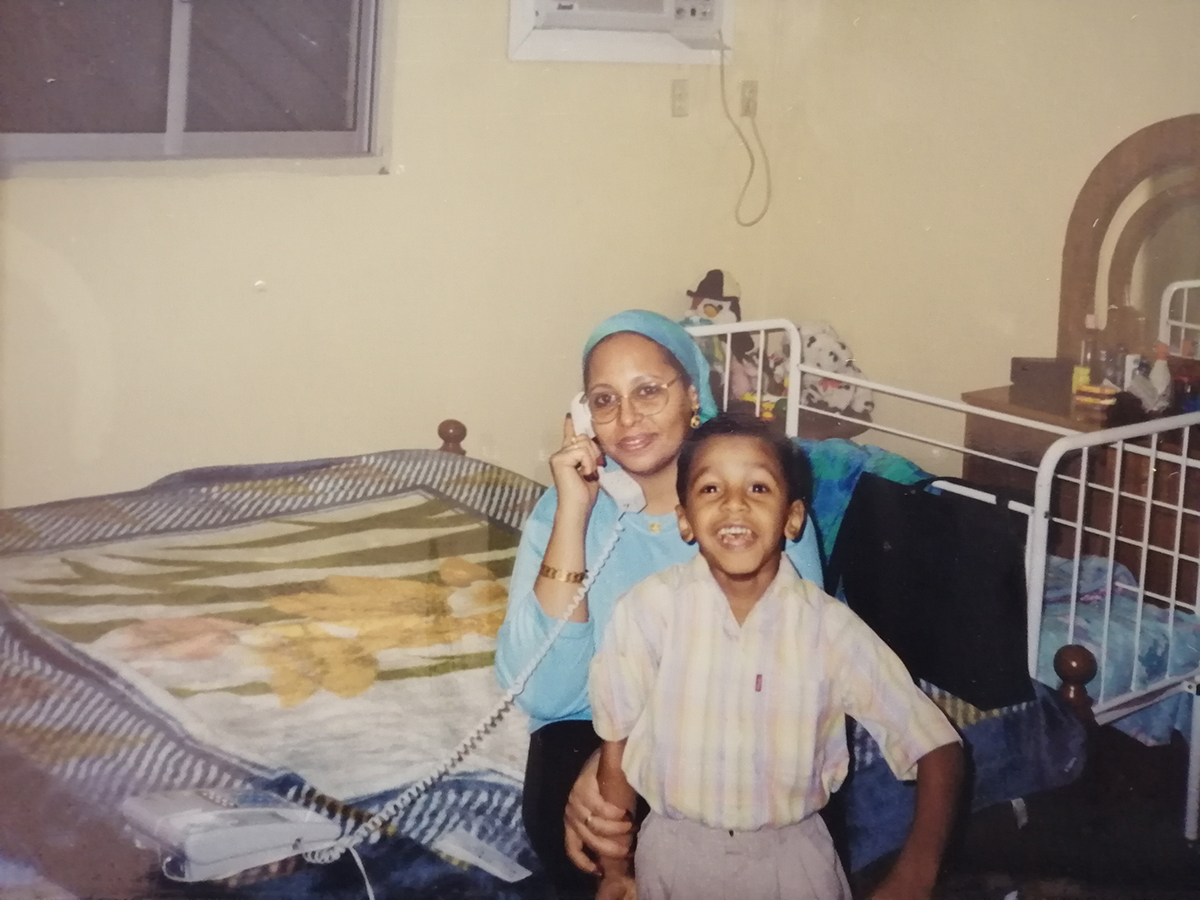
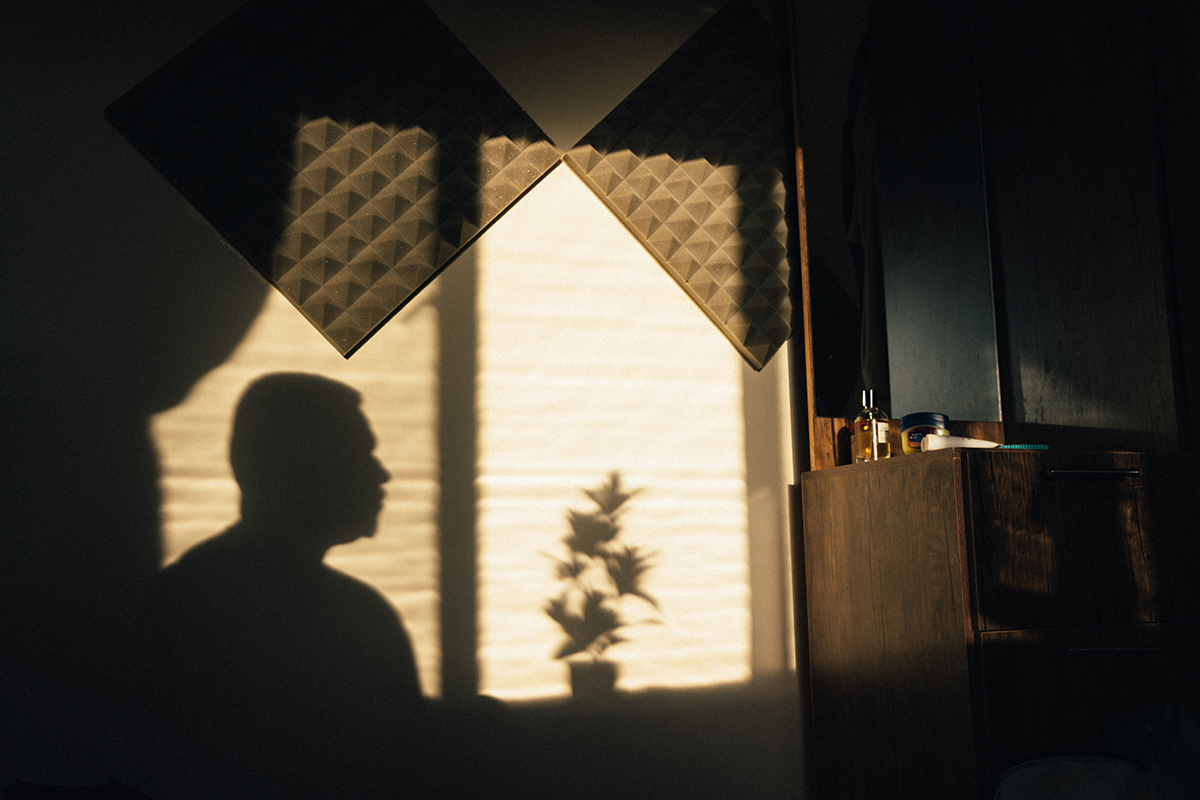
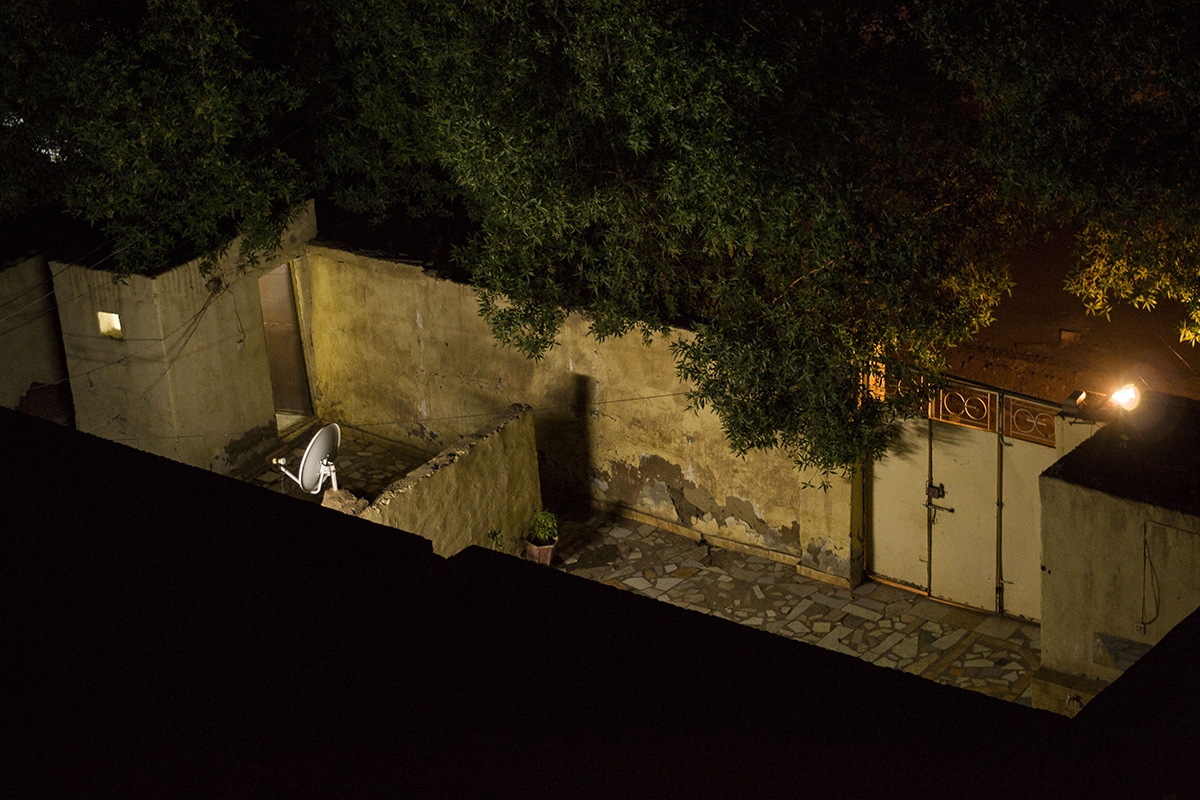
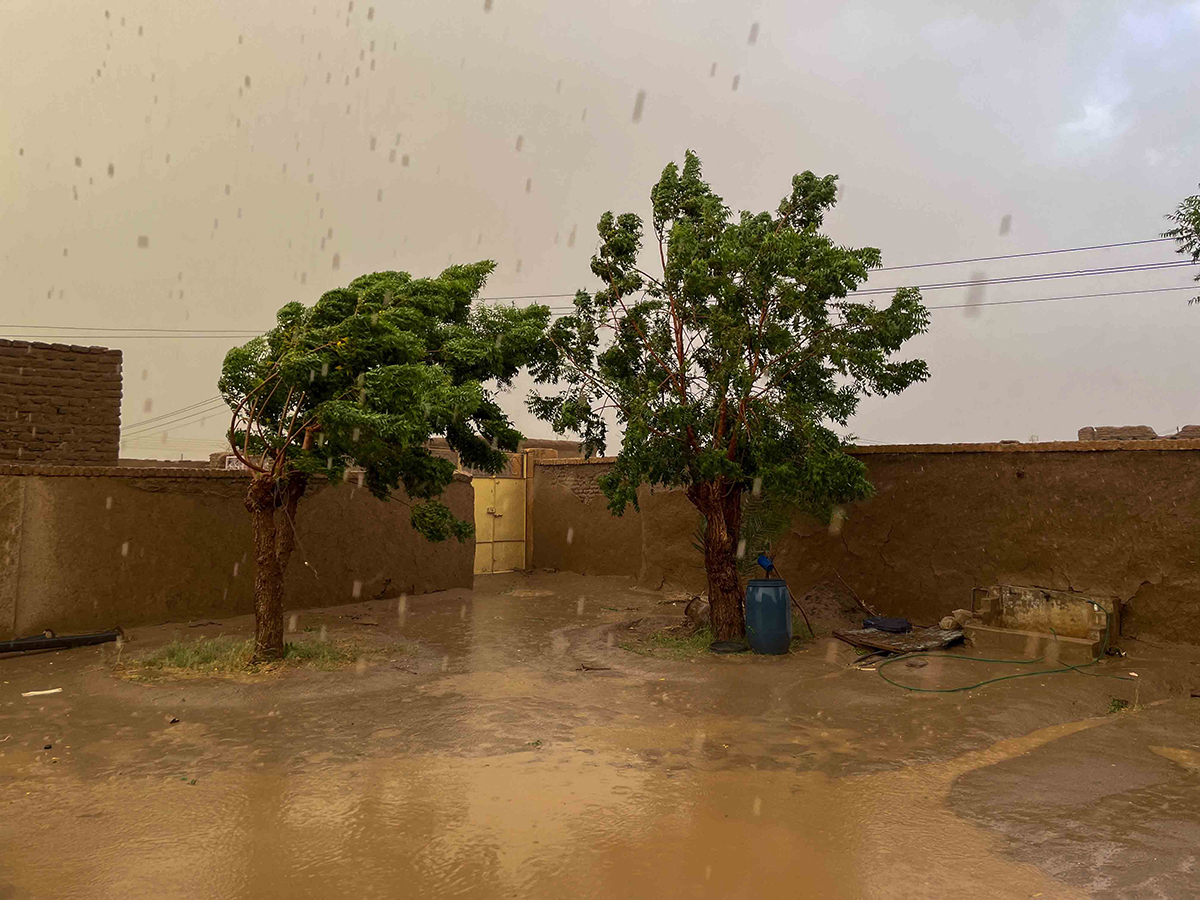
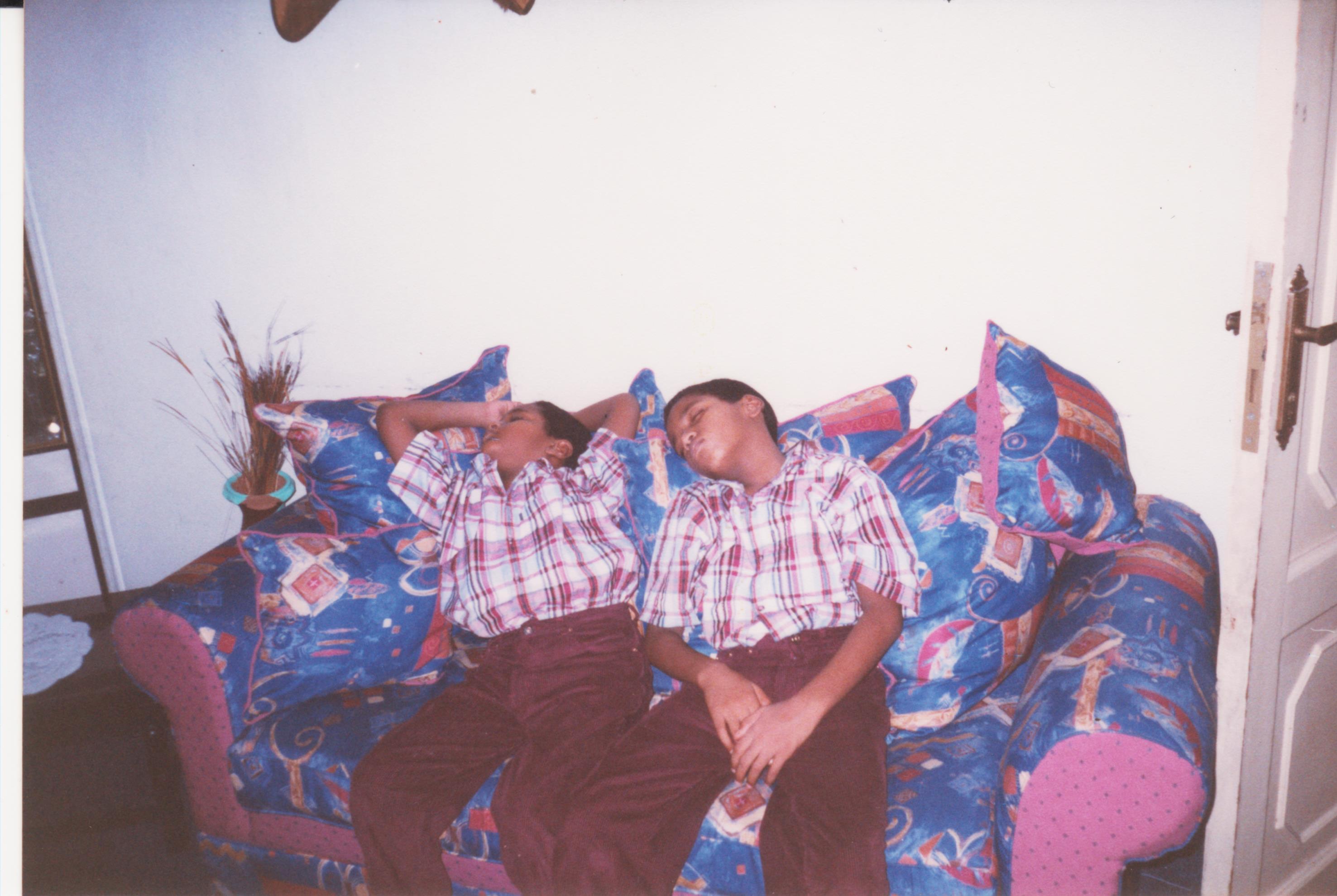
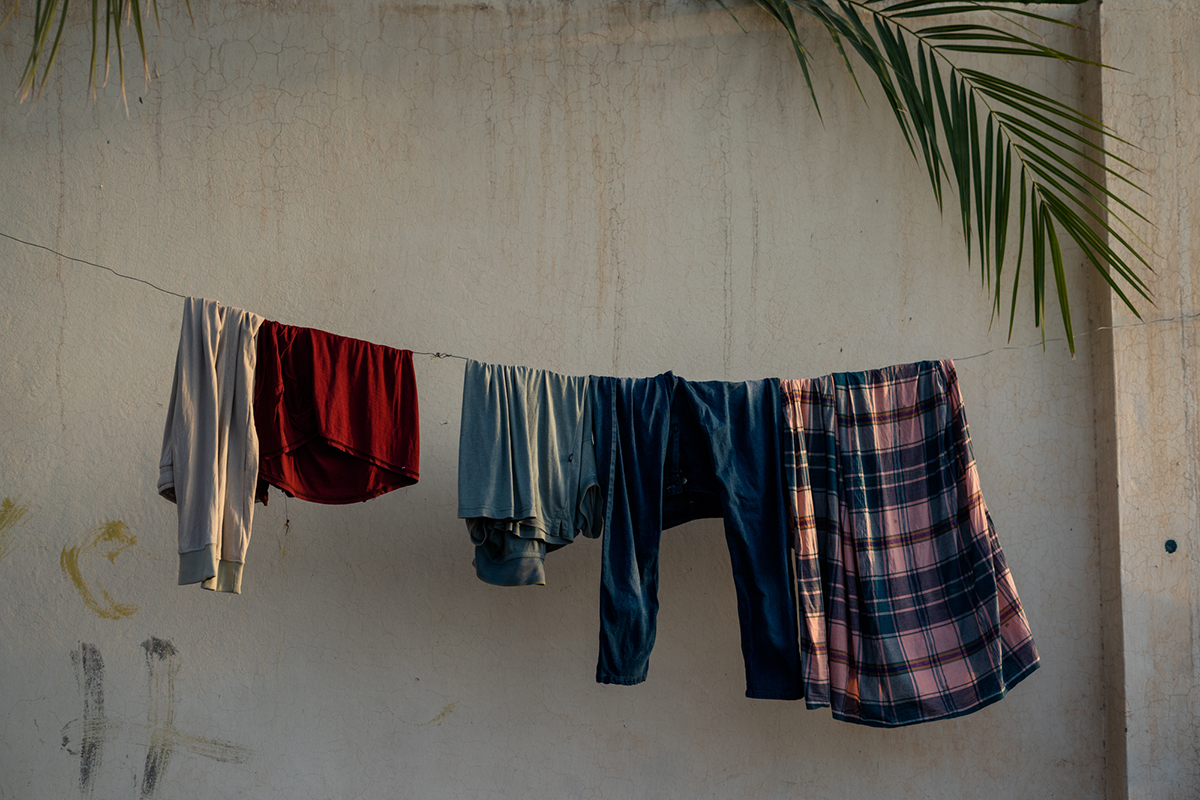
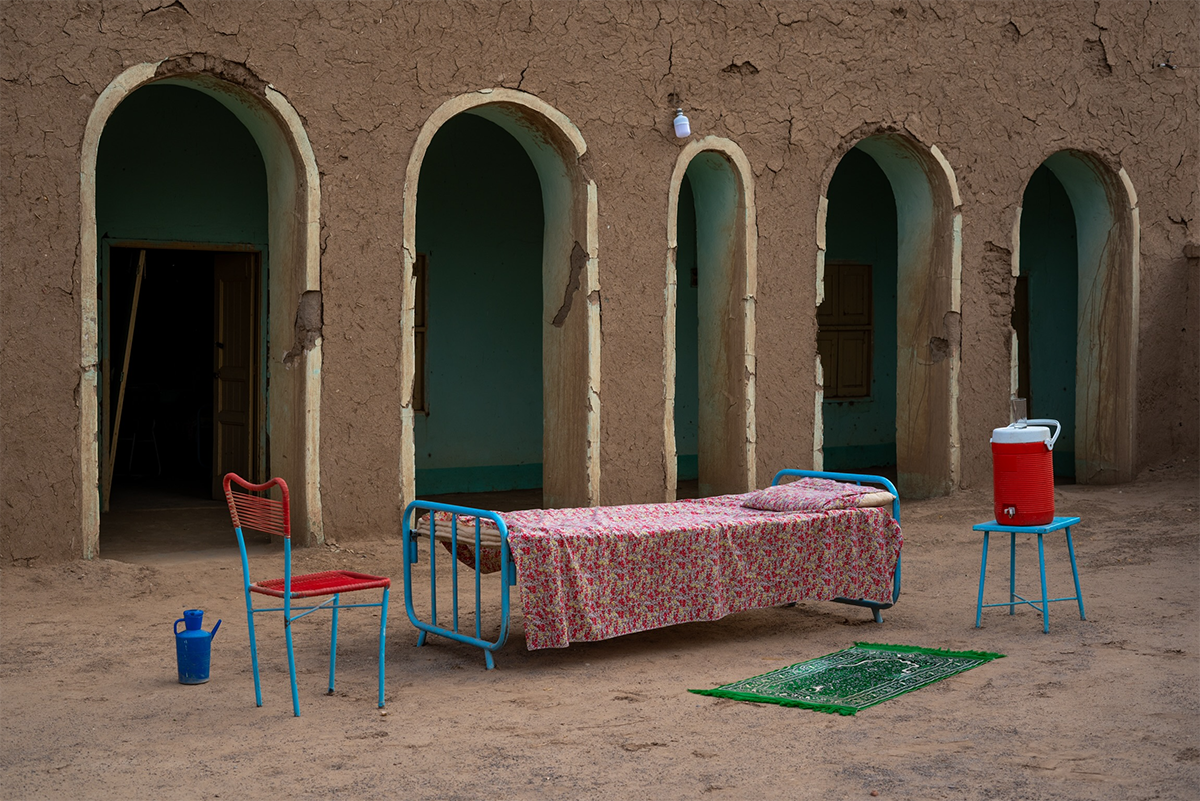
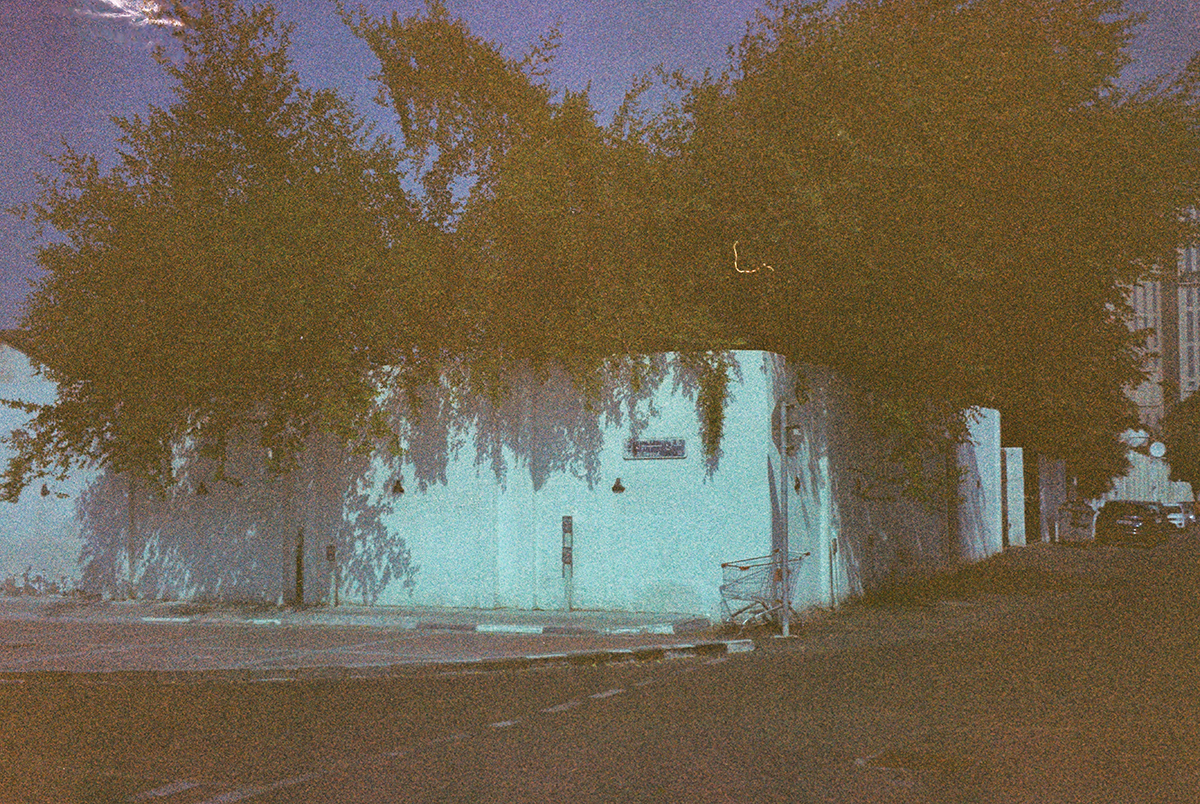
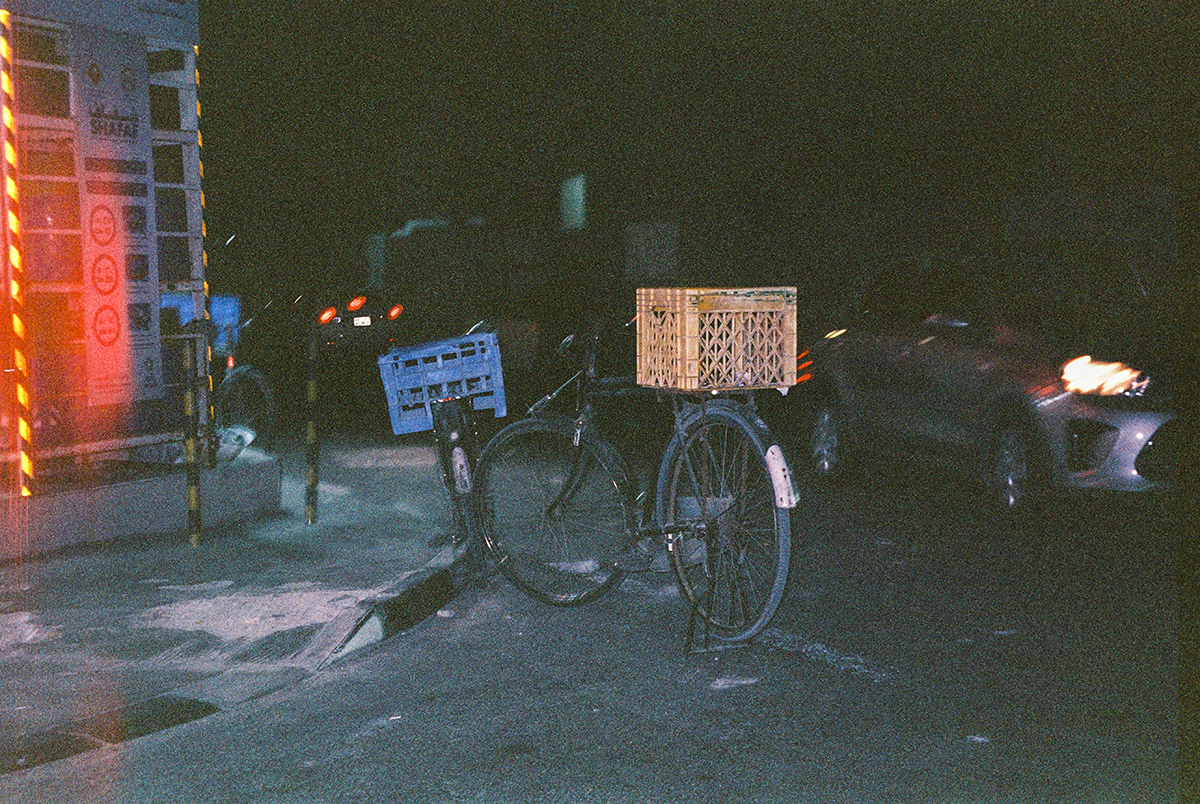
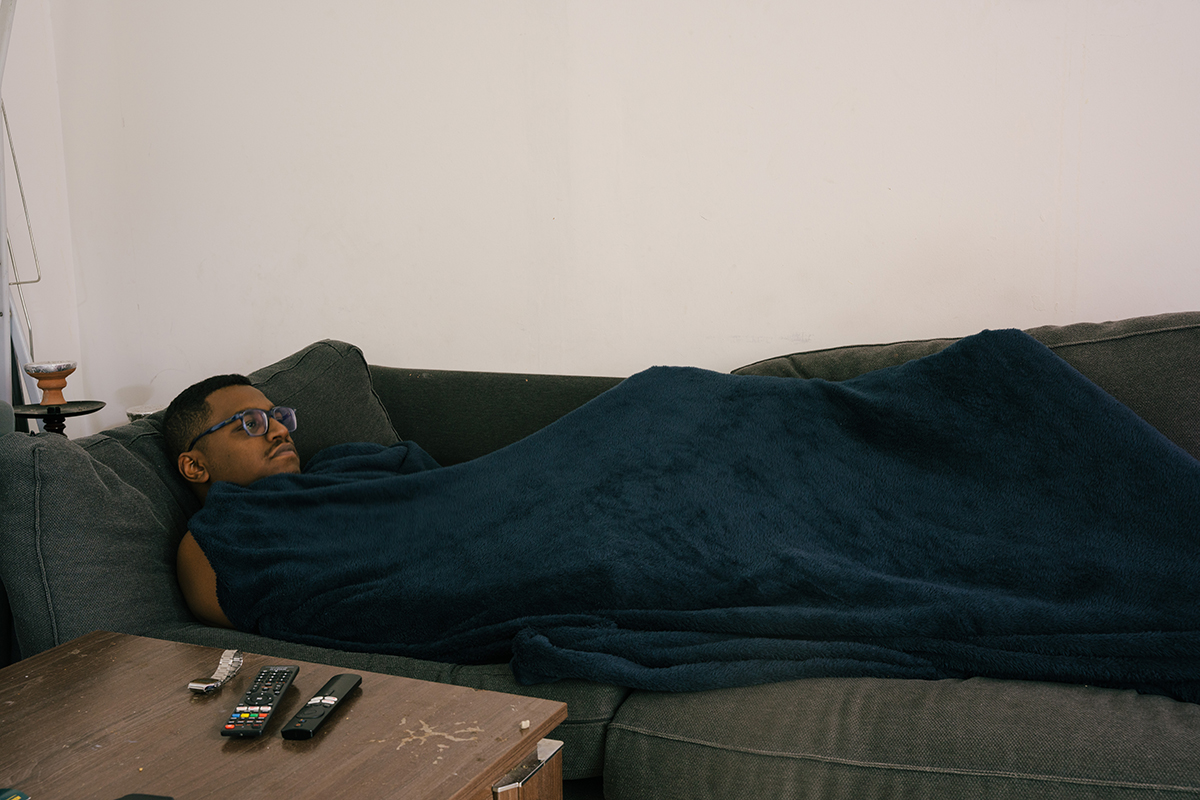
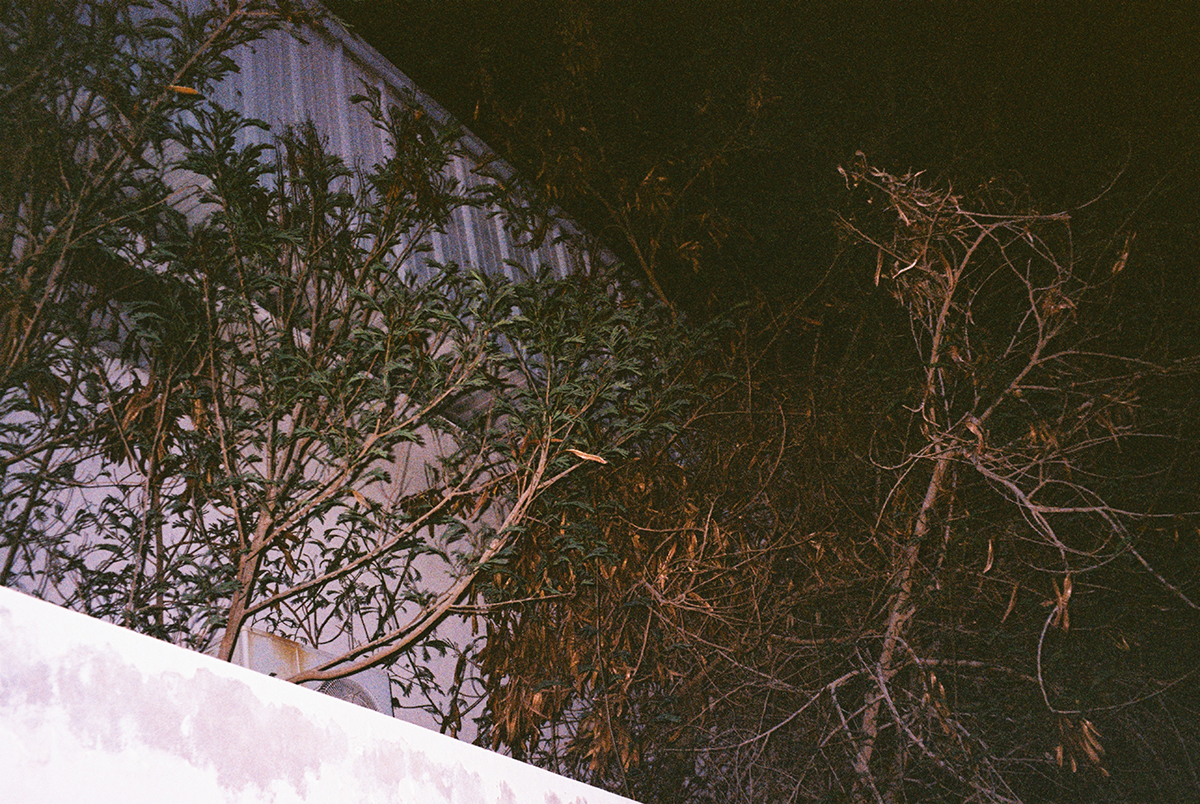
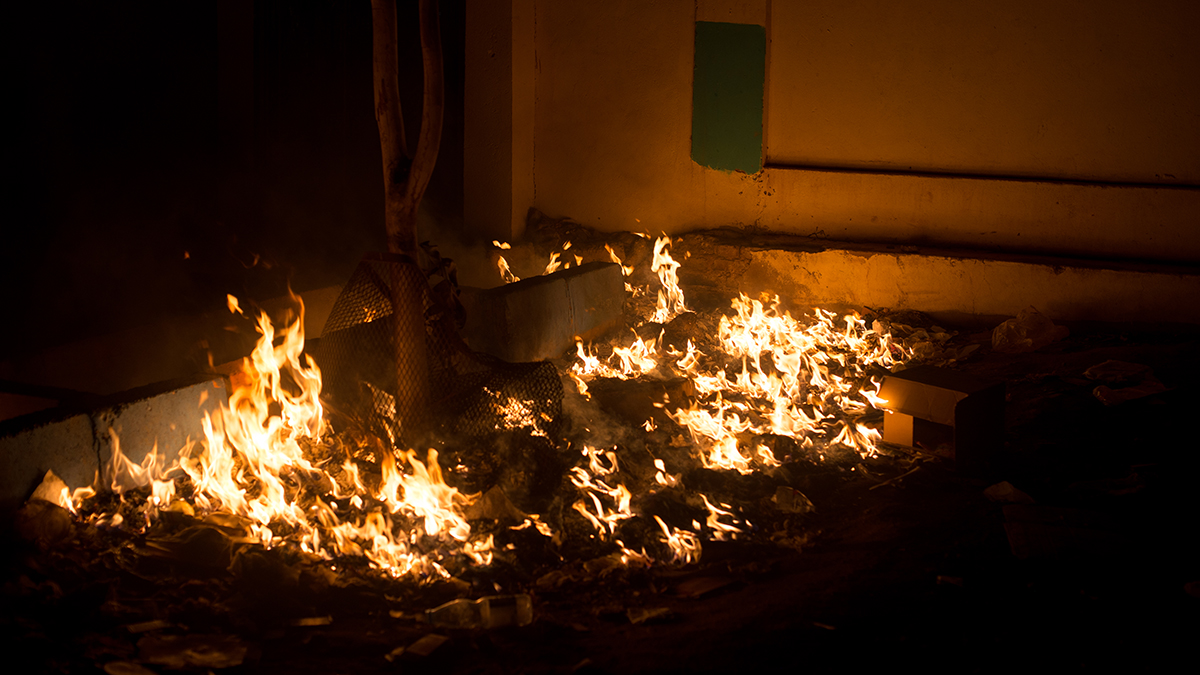
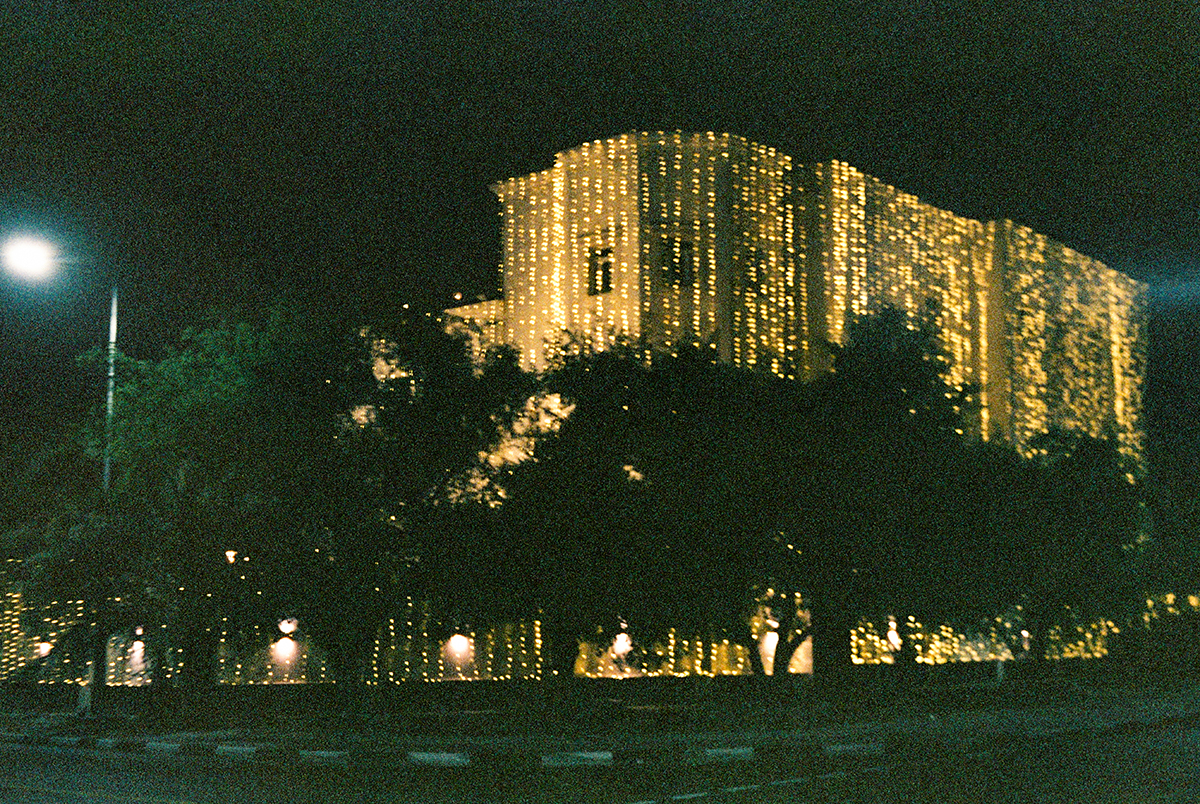
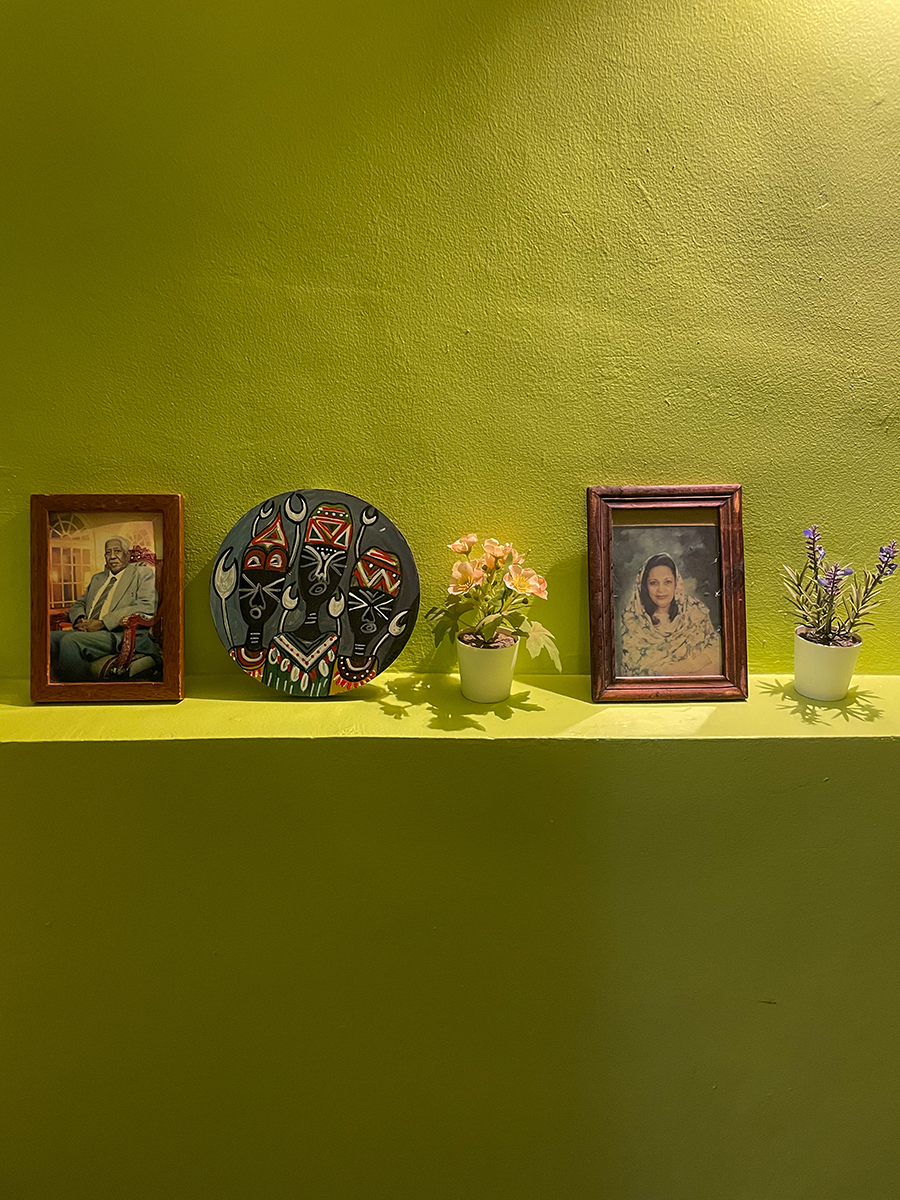
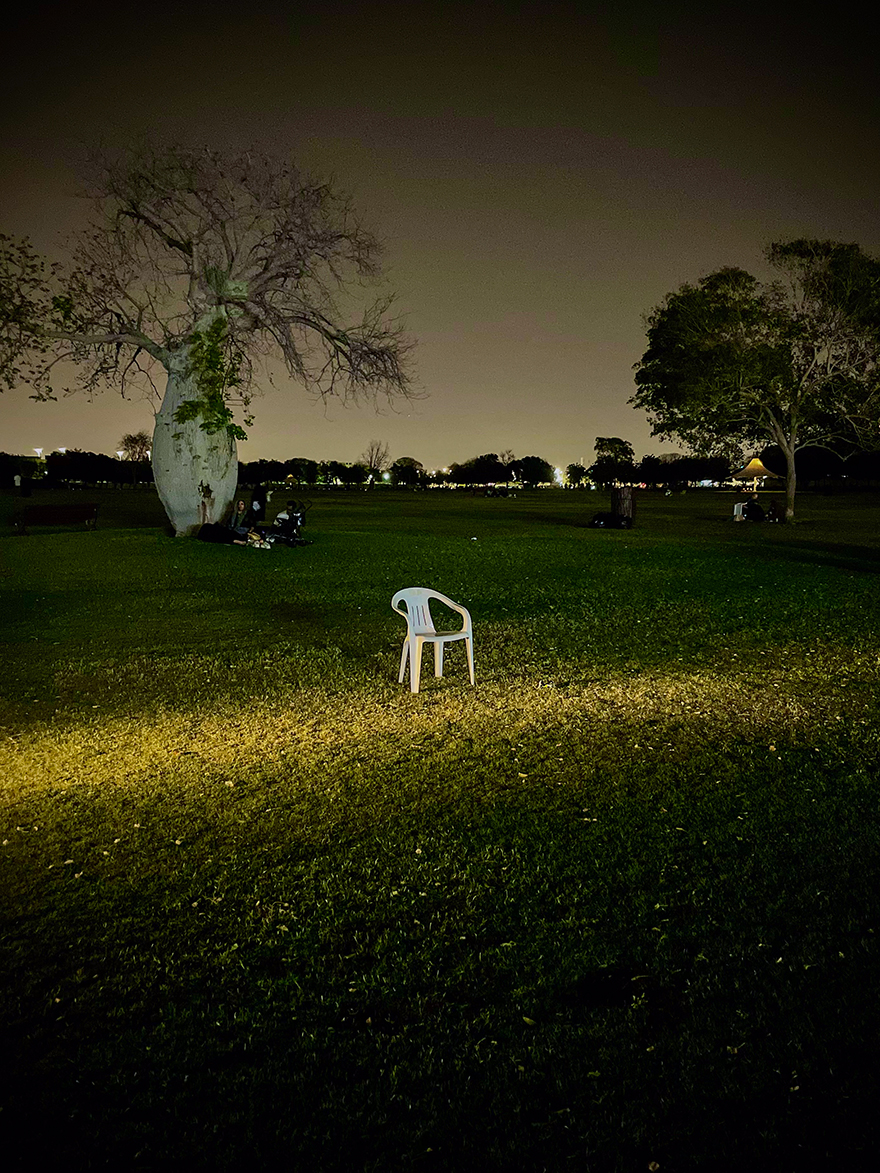
When war erupted, I had to leave my home. I have been on the move ever since. From one temporary place to another, carrying my belongings in a suitcase. All my attempts to create a sense of stability were in vain; no matter how big the suitcase gets, it cannot hold a home. Things cross the seas with us, but they don’t carry the scent, nor the warmth of voices on long evenings, nor that sense of security that used to dwell within the walls. We move on, carrying keys to doors that have been stripped of their locks, and we stand upon the ruins of images where the moment was perfect.
One of my main linguistic epiphanies lay in the fact that “nostalgia” does not mean “longing”, but rather a “yearning”; a state of sickness that afflicts the foreigner, an intense yearning for a place that no longer exists, at least not the same as my memory of it.
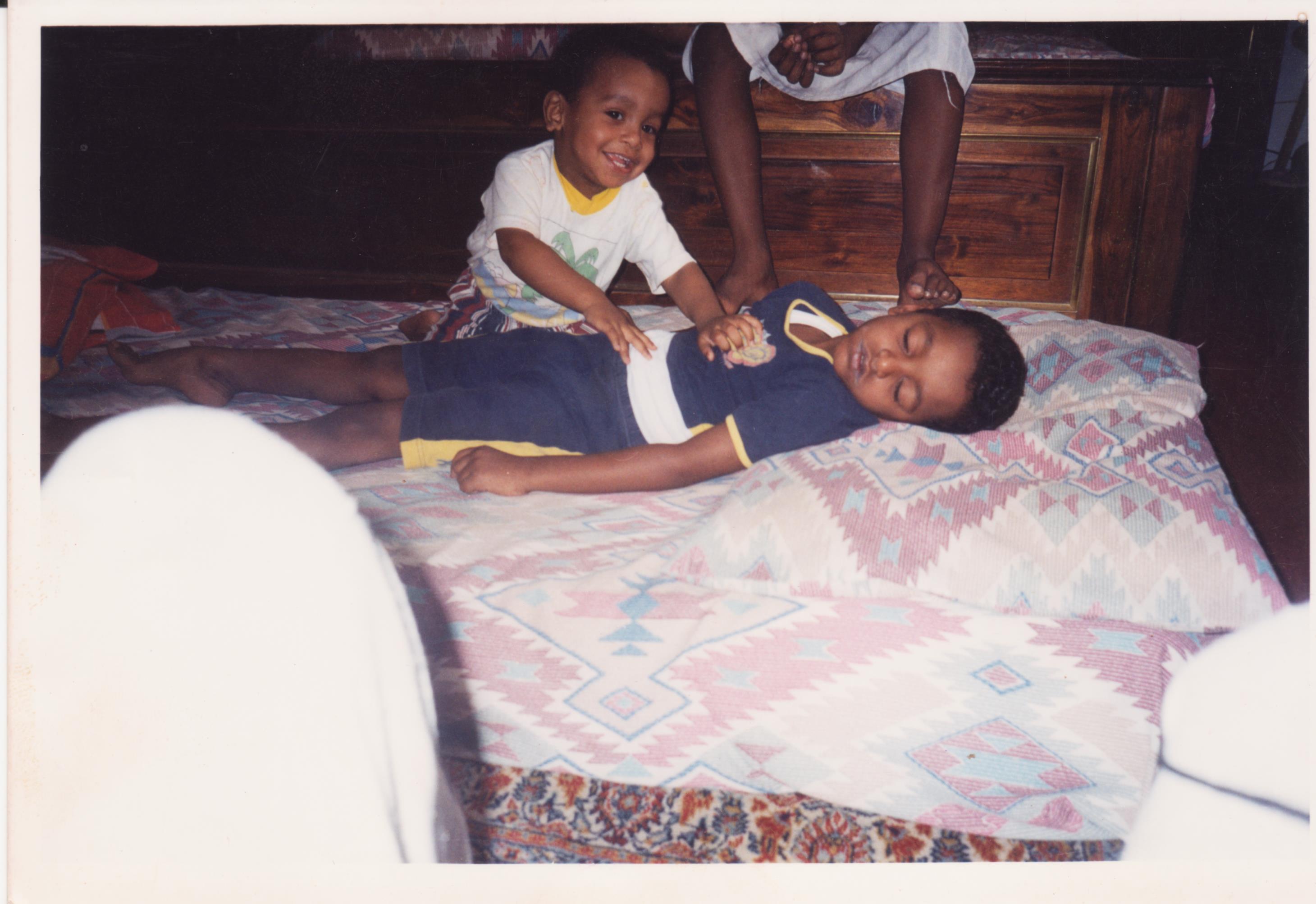
The dream of a home that could hold the memory of a whole life was an inherited treasure, a secret passed down through generations without being spoken. Then the world turned its back on us, the dream slipped through my fingers, perhaps I lost faith in the idea of pouring my whole life into a home only to see it vanish in the blink of an eye.
We left lightheartedness, laughter, and endless chatters behind. We left our homes to learn the art of wandering. Then I realized, too late, that I hadn’t just left those places behind—I left parts of myself there. I forgot how simple peace of mind used to feel, how it did not require any explanations. How did sweet memories turn into a succession of heartaches? And how were our long conversations reduced to a short message every month, just to reassure each other that we are still alive?
In this project, I am not trying to restore the past, nor to reconstruct the idea of home as I knew it; rather, I am trying to find myself in what remains.

Khalid Alarabi is a Sudanese visual storyteller who uses photography and cinema as mediums for visual storytelling, drawing on his interest in memory, identity, and the human experience in its lived contexts.
His practice is based on constructing visual narratives that deal with humans and their relationship to place and time, seeking to approach reality in all its complexity without simplification or reduction, while remaining committed to human sensibility and ethical practice.
His work has been exhibited locally, regionally, and internationally, and published in a number of specialized publications and platforms.
Khalid Alarabi is a Sudanese visual storyteller who uses photography and cinema as mediums for visual storytelling, drawing on his interest in memory, identity, and the human experience in its lived contexts.
His practice is based on constructing visual narratives that deal with humans and their relationship to place and time, seeking to approach reality in all its complexity without simplification or reduction, while remaining committed to human sensibility and ethical practice.
His work has been exhibited locally, regionally, and internationally, and published in a number of specialized publications and platforms.